
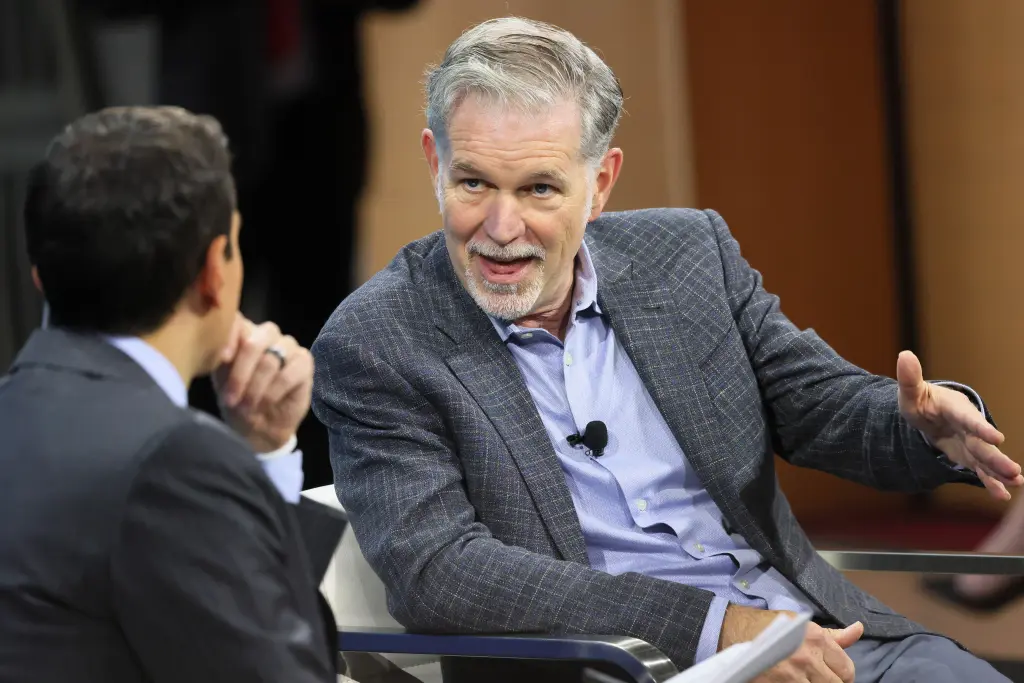
Netflix Chairman Reed Hastings, the visionary co‑founder who revolutionized how the world watches movies and TV, is stepping down from the streaming service he built from a DVD‑by‑mail startup into a $300 billion entertainment empire. The shocking exit sent shares plunging 9% and raised urgent questions about the company’s future.
Hastings, 65, will not stand for re‑election at Netflix’s annual meeting in June. He plans to focus on philanthropy and other pursuits, according to a shareholder letter released Thursday. The departure comes at a precarious moment: Netflix is struggling to find new growth as competition intensifies and after a potentially transformative merger with Warner Bros Discovery fell through in February.
“Netflix is growing revenues double digits, expanding margins in 2026 and gushing free cash flow,” said LightShed Partners media analyst Richard Greenfield. “While the Q1 was uneventful financially, the departure of Reed Hastings has spooked investors.”
The stock dropped about 9% in after‑hours trading, wiping out billions in market value.

The Man Who Killed Blockbuster
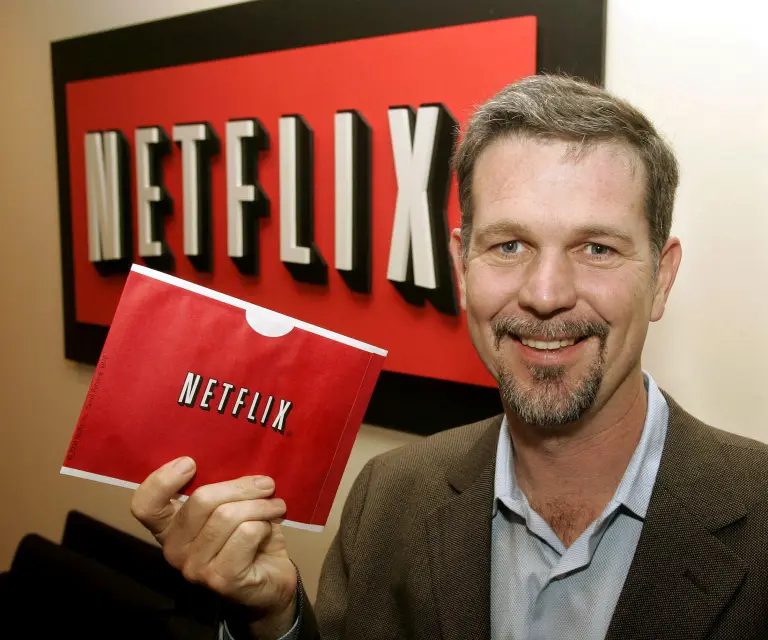
Reed Hastings co‑founded Netflix in 1997 in Scotts Valley, California, after being fined $40 for a late return of the movie “Apollo 13” to a Blockbuster store. That frustration sparked an idea: a DVD rental service with no late fees and a subscription model.
| Year | Milestone |
|---|---|
| 1997 | Netflix founded as DVD‑by‑mail rental service |
| 2007 | Launched streaming, forever changing TV |
| 2013 | “House of Cards” – first original series, wins Emmys |
| 2020 | Market cap surpasses Disney |
| 2023 | Hastings steps down as co‑CEO, remains chairman |
| 2026 | Announces full exit from Netflix |
Under Hastings, Netflix grew from a tiny startup to over 325 million paid subscribers worldwide, entertaining an audience approaching a billion people. He is credited with upending Hollywood’s business model, forcing legacy studios to launch their own streaming services and accelerating the decline of cable TV.
Why Now? The Perfect Storm
Hastings’ exit comes at a turbulent time for Netflix:
- Merger collapse: In February, a proposed $70 billion merger with Warner Bros Discovery fell apart, ending hopes of combining Netflix’s scale with HBO, CNN, and DC Comics.
- Slowdown: Netflix forecast its slowest quarterly revenue growth in a year, with earnings per share below analyst expectations.
- Competition: Disney+, Amazon Prime Video, Apple TV+, and a resurgent HBO Max are all vying for the same viewers.
- Advertising growing pains: While ad revenue is on track to hit $3 billion in 2026 (double 2025), investors worry about the long‑term profitability of the ad‑tier model.
Despite these headwinds, Netflix posted solid first‑quarter numbers:
| Metric | Q1 2026 | YoY Change |
|---|---|---|
| Revenue | $12.25B | +16% |
| Earnings per share | $1.23 | +86% (from $0.66) |
| Paid members | 325M+ | +12% |
| Free cash flow | $2.8B (termination fee) | – |
The company ended the quarter with a massive $2.8 billion termination fee from the failed Warner Bros deal, which lifted earnings but did little to calm investors worried about leadership.
What This Means for Netflix
Hastings has been gradually stepping back for years. In 2023, he handed the co‑CEO role to Greg Peters and Ted Sarandos, though he remained executive chairman. Peters insisted the company’s strategy is unchanged:
“Netflix ended last year with more than 325 million paid members and entertaining an audience approaching a billion people. But even given that number, we still have plenty of room to grow into our addressable market.”
Netflix plans to double down on:
- Live events: The World Baseball Classic in Japan, NFL Christmas games, and more.
- Video podcasts: Expanding unscripted and talk content.
- Ad technology: Improving monetization to reach $3 billion ad revenue in 2026.
- Global content: Producing more local language hits like “Squid Game” and “Berlin.”
But without Hastings’ creative and strategic spark, some analysts worry Netflix could become just another media company, losing its disruptive edge.
The Hastings Legacy
Reed Hastings leaves behind a transformed media landscape. He took on Blockbuster, won; took on Hollywood, won; took on cable, won. His willingness to cannibalize his own DVD business for streaming, and later to bet billions on original content, are case studies in disruptive innovation.
He also leaves behind a company that, despite its challenges, remains the world’s dominant streamer. Whether Netflix can continue to grow without him is the multi‑billion‑dollar question.
What Happens Next
- June annual meeting: Hastings will not stand for re‑election, making his exit official.
- Succession: Greg Peters and Ted Sarandos remain co‑CEOs. No new chairman has been named.
- Investor confidence: The 9% stock drop shows markets are nervous. Netflix will need to deliver strong results in the coming quarters to reassure Wall Street.
- M&A possibilities: With a $2.8 billion cash infusion from the Warner breakup, some analysts expect Netflix to go shopping for smaller studios or gaming companies.
FAQ: Reed Hastings Leaves Netflix
Q: Why is Reed Hastings leaving Netflix?
A: He is stepping down to focus on philanthropy and other personal pursuits. He has been gradually reducing his role since 2023.
Q: When will he officially leave?
A: He will not stand for re‑election at the June 2026 annual meeting. His departure is effective immediately after that.
Q: How did the stock react?
A: Shares fell about 9% in after‑hours trading, wiping out billions in market value.
Q: Did Netflix have a good quarter?
A: Financially, yes. Revenue rose 16% to $12.25B, and EPS more than doubled thanks to a $2.8B termination fee. But growth is slowing, and the outlook disappointed.
Q: Who runs Netflix now?
A: Greg Peters (CEO) and Ted Sarandos (co‑CEO/Chief Content Officer) remain in charge.
Q: Will Netflix be sold?
A: Unlikely in the near term. The company has repeatedly said it is not for sale, and the failed Warner Bros merger shows it prefers to remain independent.