SHREVEPORT, La. – A 31-year-old Army National Guard veteran shot and killed eight young children – seven of them his own – and critically wounded two women early Sunday morning before being killed by police in a carjacking chase, authorities said. The massacre, which included a 3‑year‑old and a child who tried to escape onto a roof, is the deadliest mass shooting in the United States since January 2024.
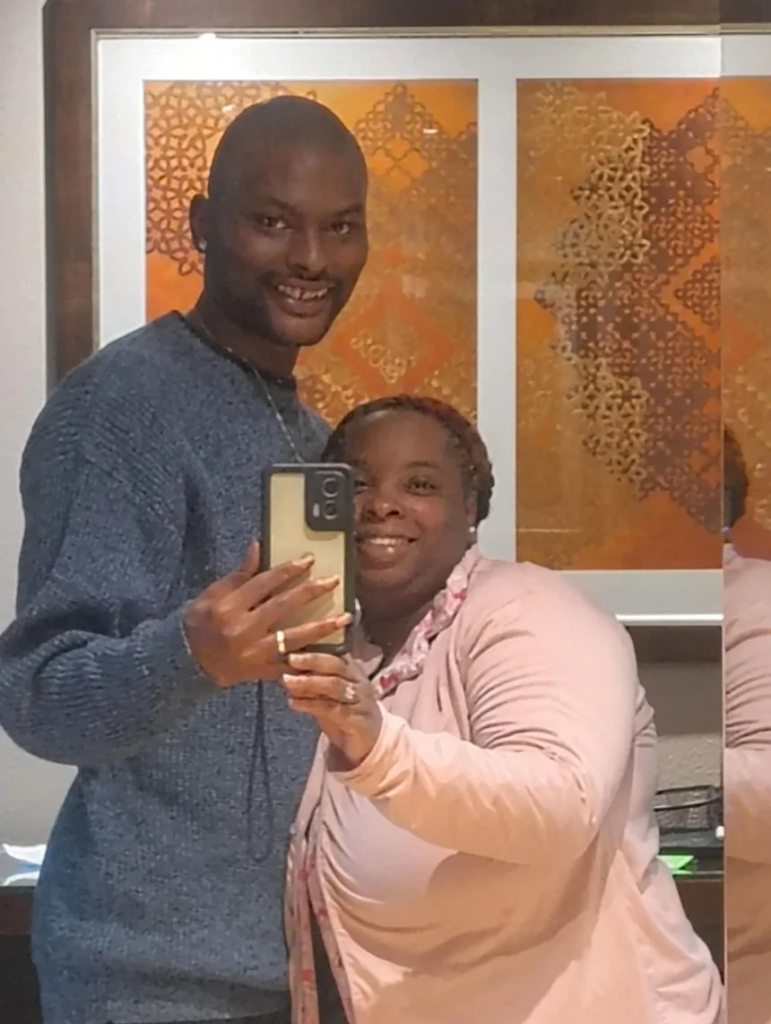
The rampage began around 6 a.m. Sunday following a domestic dispute. Shamar Elkins first shot his wife, Shaneiqua Pugh, 34, at a residence on Harrison Street, then drove to another home on West 79th Street, where he systematically shot eight children and a second woman – the mother of one of the victims. Most of the children were shot in the head while they slept, according to Shreveport Police Department spokesman Christopher Bordelon.
“This is a tragic situation, maybe the worst tragic situation we’ve ever had in Shreveport,” Mayor Tom Arceneaux said at a news conference.
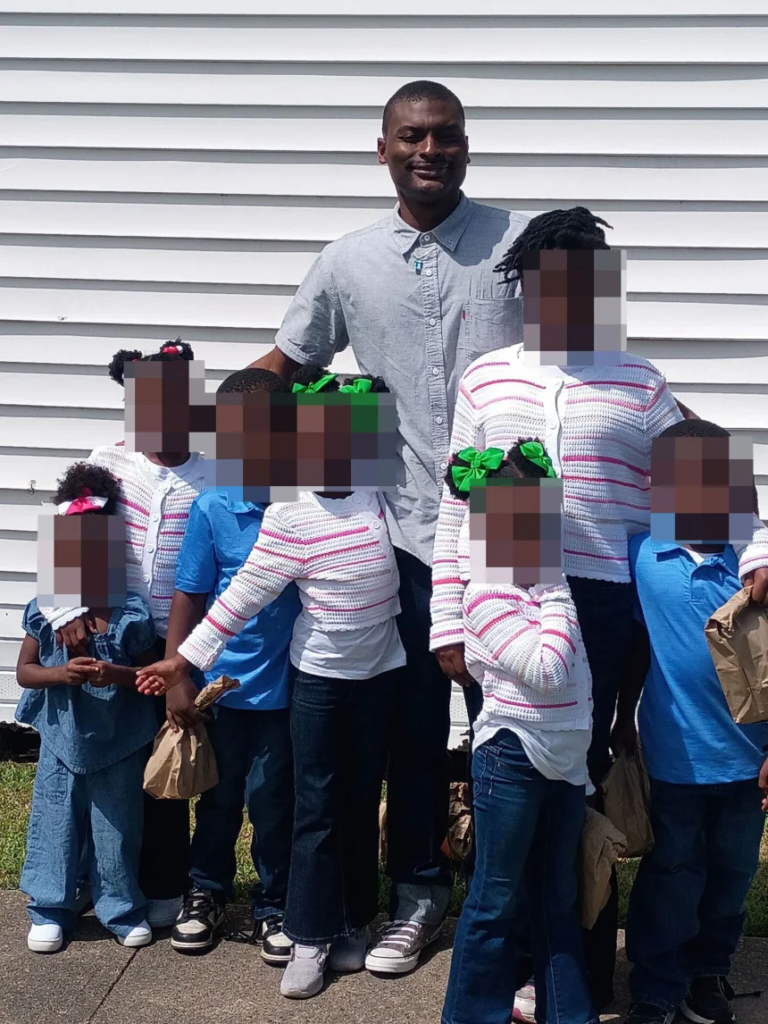
The Caddo Parish Coroner’s Office identified the victims as:
| Name | Age | Relationship to Shooter |
|---|---|---|
| Jayla Elkins | 3 | Daughter |
| Shayla Elkins | 5 | Daughter |
| Kayla Pugh | 6 | Daughter |
| Layla Pugh | 7 | Daughter |
| Markaydon Pugh | 10 | Son |
| Sariahh Snow | 11 | Daughter |
| Khedarrion Snow | 6 | Son |
| Braylon Snow | 5 | Son |
Seven of the eight were Elkins’ biological children. The eighth, Braylon Snow, was his nephew. A 13‑year‑old boy who jumped off the roof of the home to escape suffered broken bones but survived, Bordelon said.
“We’re just very thankful he was able to get away,” Bordelon told CNN.
A History of Violence and Warning Signs
Elkins, a former member of the Louisiana Army National Guard who served from 2013 to 2020 as a signal support system specialist and fire support specialist, was never deployed. He had two prior criminal convictions:
- 2016: Driving while intoxicated.
- 2019: Illegal use of weapons. According to an arrest report, Elkins pulled a 9mm handgun from his pants and fired five shots at a vehicle after the driver pulled a gun on him. The shooting occurred near a schoolyard where children were playing.
Family members told the New York Times that Elkins had been struggling with “dark thoughts” and had told his stepfather, Marcus Jackson, that his wife wanted a divorce. Jackson recalled Elkins saying, “Some people don’t come back from their demons.”
“I told him, ‘You can beat stuff, man. I don’t care what you’re going through, you can beat it,’” Jackson said.
Elkins’ mother, Mahelia Elkins, said she was unclear what problems her son and his wife were dealing with. A relative of one of the wounded women told the Associated Press that the couple was in the middle of separation proceedings and was due in court on Monday – the day after the shooting.
The Massacre: A Pre‑Dawn Rampage
According to police, Elkins’ wife, Shaneiqua Pugh, suffered “very serious injuries” and was hospitalized in critical condition. The second woman, whose name has not been released, sustained “life‑threatening injuries.” She is the mother of one of the slain children.
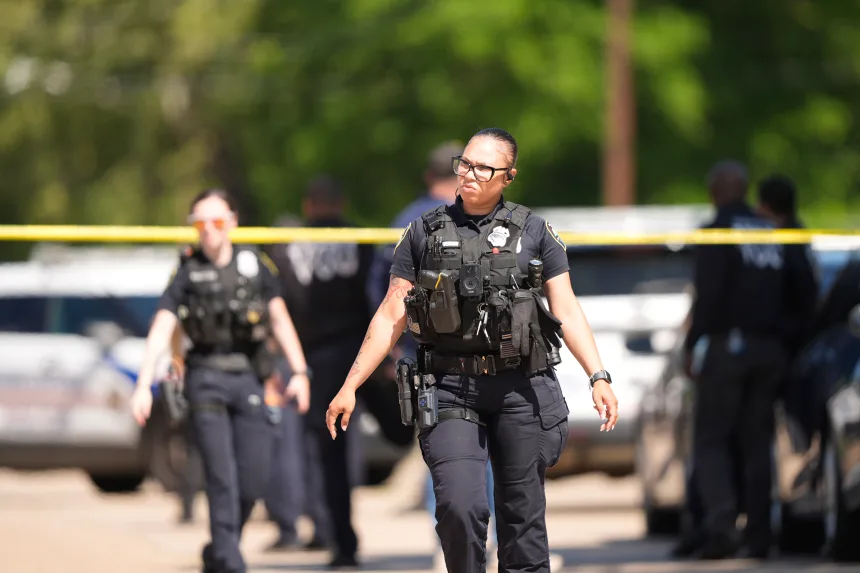
After the shootings, Elkins fled toward a tire shop, carjacked a vehicle, and led police on a chase into Bossier Parish, just across the Red River from Shreveport. Officers shot and killed him at the scene.
“Officers were forced to discharge their department-issued firearms, neutralizing the suspect, who was pronounced deceased at the scene,” Shreveport police said in a statement.
Louisiana Attorney General Liz Murrill said multiple law enforcement agencies are investigating the tragedy.
Familicide and Veteran Mental Health: A Deadly Intersection
The murder of one’s own children – known as familicide – occurs in approximately 150–200 cases annually in the United States. According to the U.S. Department of Justice:
- In 90% of cases, the perpetrator is male.
- Common motives include domestic conflict, separation, financial stress, and severe mental illness.
- Firearms are used in the majority of cases.
Veterans are overrepresented in familicide statistics. A 2023 University of Southern California study found that 15% of familicide perpetrators had prior military service – roughly twice their proportion of the general adult population. Risk factors include combat exposure, traumatic brain injury, substance abuse, and difficulty reintegrating into civilian family life.
“When a veteran with untreated PTSD or other mental health conditions faces a domestic crisis, the risk of catastrophic violence – including against children – rises dramatically,” said Dr. Rachel Sullivan, a forensic psychologist.
Elkins was never deployed, but National Guard members face unique stressors, including the difficulty of accessing mental health care while transitioning between civilian and military life. A 2025 RAND Corporation study found that National Guard members have higher rates of suicidal ideation and interpersonal violence than active‑duty personnel.
Louisiana’s Gun Laws and Red Flag Gaps
Louisiana has some of the most permissive gun laws in the United States. The state does not require a permit to purchase a firearm, does not require a license to carry a concealed weapon (permitless carry became law in 2024), and has no extreme risk protection order (“red flag”) law that would allow family members or police to temporarily remove firearms from an individual deemed dangerous.
Elkins legally owned multiple firearms, including the handgun used in the massacre. Neighbors said they had called police on previous occasions due to loud arguments, but no domestic violence protective order had been filed.
“A red flag law might have saved those children,” said Sarah Finnegan, a policy analyst with the Giffords Law Center. “When a family sees a veteran spiraling, they need a tool to get the guns out of the house before it’s too late.”
Louisiana lawmakers have repeatedly rejected red‑flag legislation, citing Second Amendment concerns.
The Aftermath: A Community in Mourning
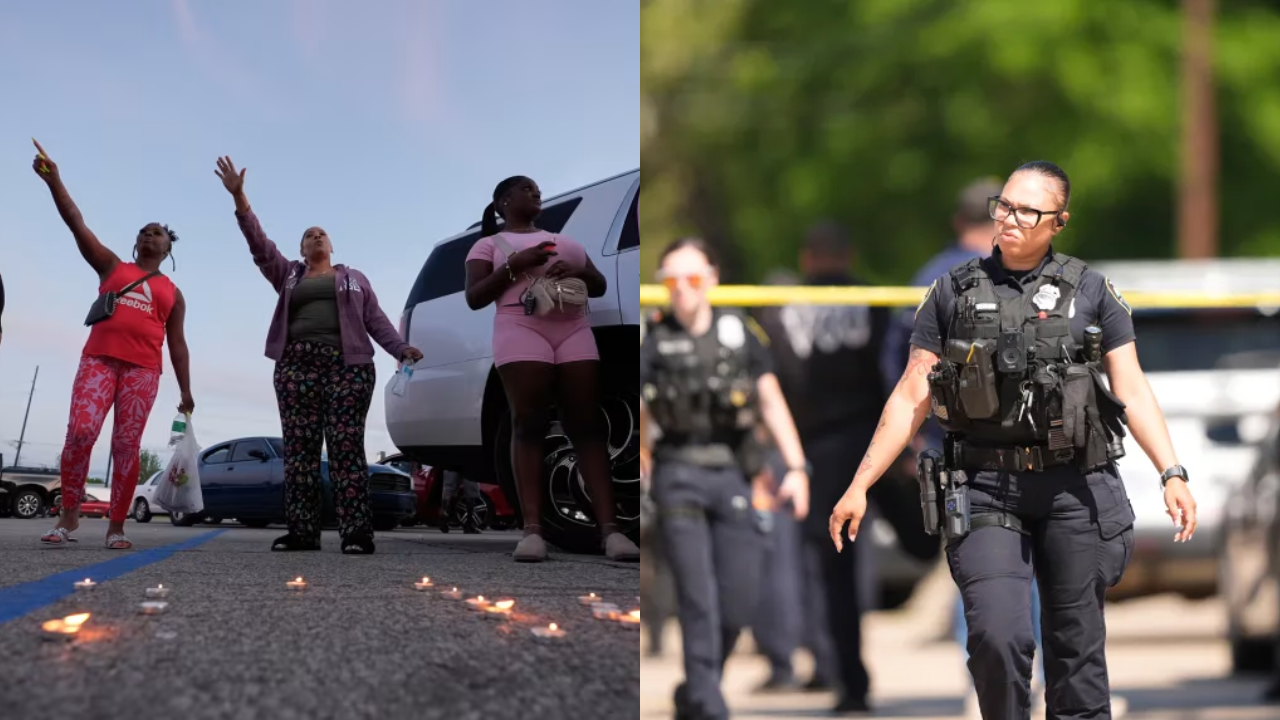
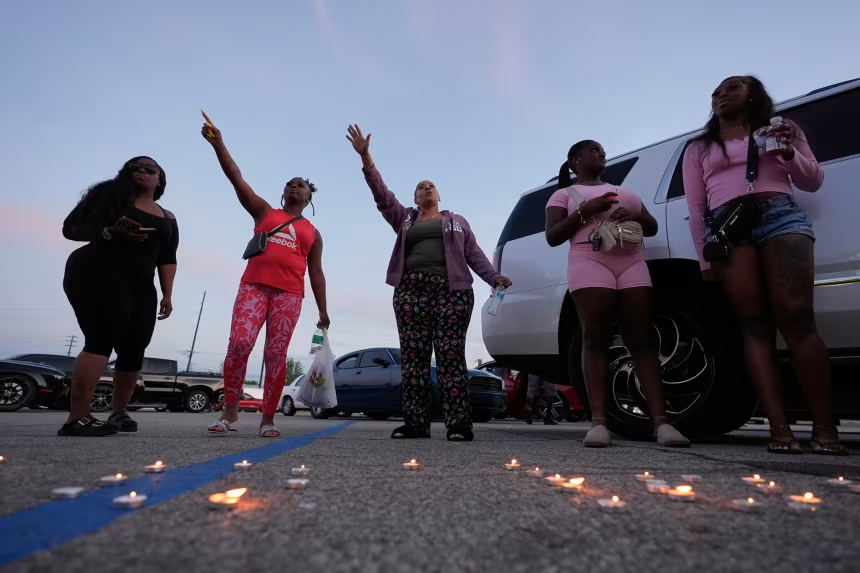
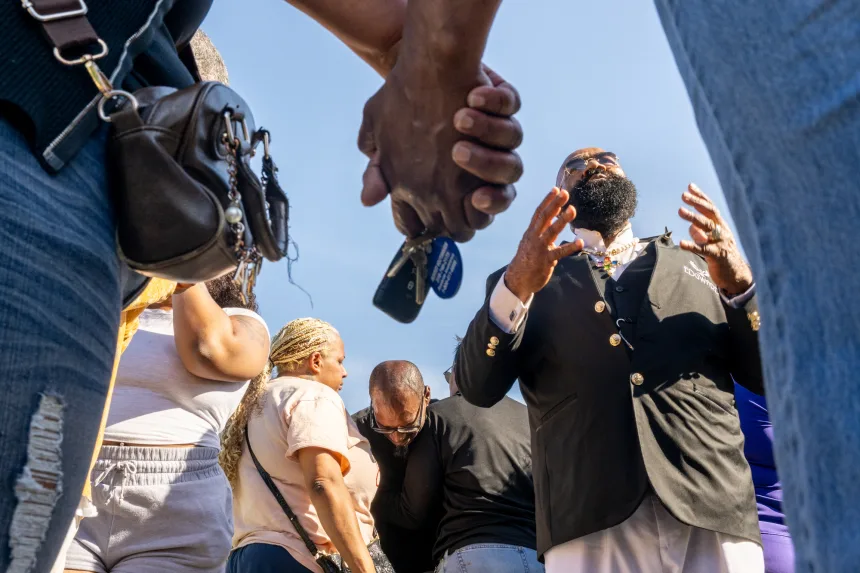
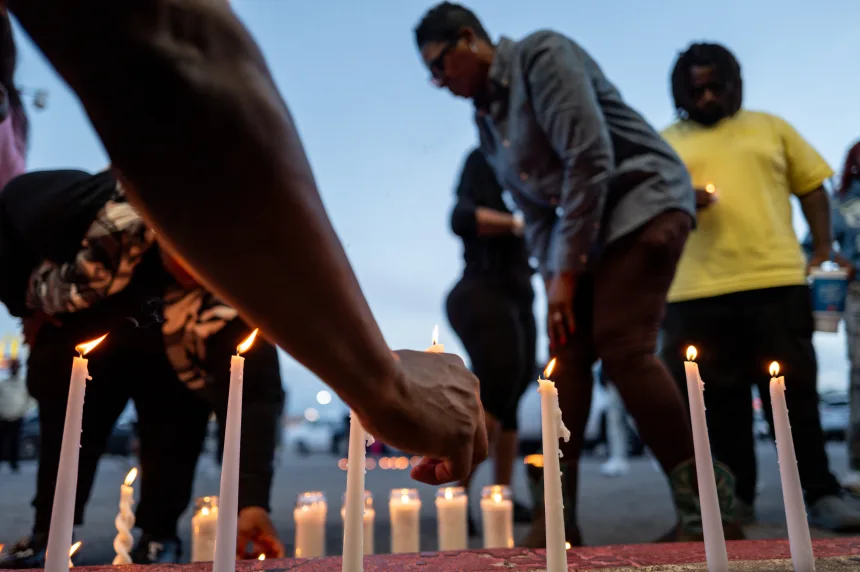
Shreveport, a city of roughly 187,000 in northwestern Louisiana, is reeling from the tragedy. On Sunday evening, community members gathered for a candlelight vigil, laying flowers and stuffed animals in tribute to the children killed.
“It makes you take your children and hug them and hold them and tell them how much you love them because you just don’t know,” attendee Kimberlin Jackson told the Associated Press.
City Councilmember Tabatha Taylor broke down in tears at a news conference.
“This is not a freaking joke! This is real, and this is the result when someone snaps,” she said.
The eight children’s deaths more than double the number of homicides in Shreveport and Caddo Parish this year, according to the coroner’s office.
US House Speaker Mike Johnson, who represents the Shreveport area in Congress, called the killings “heartbreaking.”
“We’re holding the victims, their families and loved ones, and our Shreveport community close in our thoughts and prayers during this incredibly difficult time,” Johnson said.
President Trump was briefed on the massacre and offered federal assistance.
What Happens Next
- Investigations: The Caddo Parish Sheriff’s Office, Shreveport PD, and Louisiana State Police are leading the investigation. Autopsies will determine the exact cause of death.
- Police shooting review: The officer‑involved shooting of Elkins will be reviewed by the Louisiana State Police and the district attorney’s office.
- Family support: The surviving women are receiving medical care. Child welfare services have been activated.
- Community vigils: Multiple vigils are planned in Shreveport over the coming week.
FAQ: Shreveport Massacre
Q: How many children were killed?
A: Eight children, ages 3 to 11. Seven were the shooter’s biological children; one was a nephew.
Q: How were they killed?
A: Most were shot in the head while sleeping. One child was killed on the roof trying to escape. A 13‑year‑old who jumped off the roof survived with broken bones.
Q: Who was the shooter?
A: Shamar Elkins, 31, an Army National Guard veteran and UPS employee. He was killed by police after a carjacking and pursuit.
Q: Were there warning signs?
A: Yes. He told family he was having “dark thoughts” and wanted to end his life. He had prior convictions for DWI and illegal use of weapons.
Q: What charges would he have faced?
A: Eight counts of first‑degree murder, aggravated assault, and domestic violence charges. He was killed before any arrest could be made.
Q: Where can I get help if I am in a domestic violence situation?
A: Call the National Domestic Violence Hotline at 1‑800‑799‑7233 or text “START” to 88788. Veterans in crisis can call the Veterans Crisis Line at 988, then press 1.