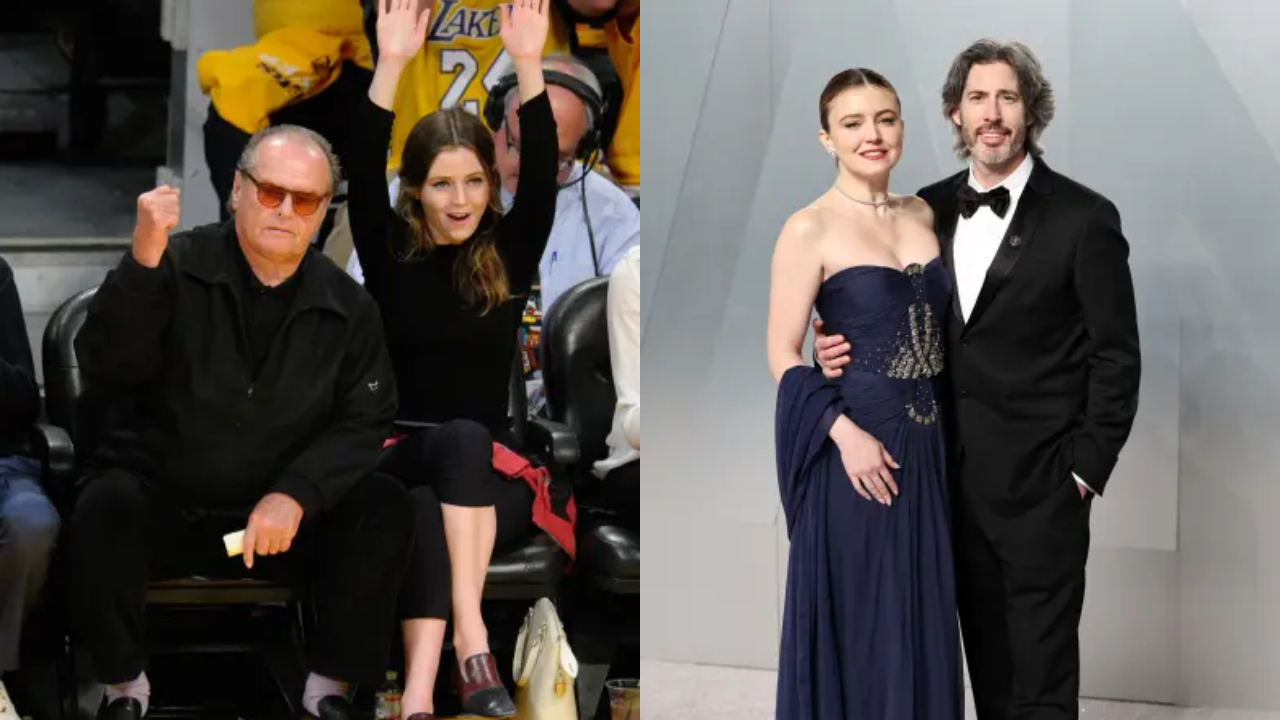
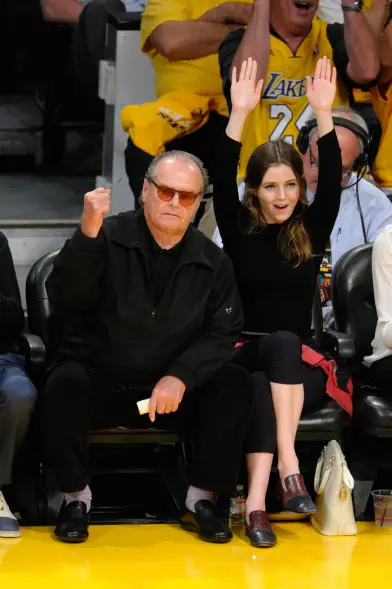
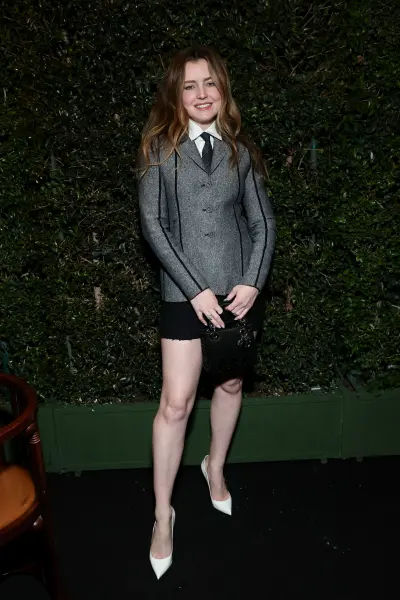
Lorraine Nicholson, the 36-year-old daughter of acting legend Jack Nicholson, has turned her satirical eye on the very world that raised her – penning a blistering essay for W Magazine that skewers Los Angeles as the “status-anxiety capital of the world.” In the piece, she takes aim at everything from private facialists and Erewhon smoothies to the soul-crushing competition of invite‑only dating apps, all while acknowledging her own place at the top of the nepo‑baby food chain.
The essay, which has ignited chatter and more than a few eye‑rolls in Hollywood, paints a caricature of modern LA life that will feel all too familiar to anyone who has spent time in the city’s most rarefied zip codes. Nicholson argues that in Hollywood, success isn’t just about money or fame – it’s about how you’re treated in a room.
“L.A. has established itself as the status-anxiety capital of the world,” Nicholson writes. “It means that when you’re at a party, women won’t peer over your shoulder to see who else has arrived, and men won’t interrupt you in the middle of a story to get a drink.”
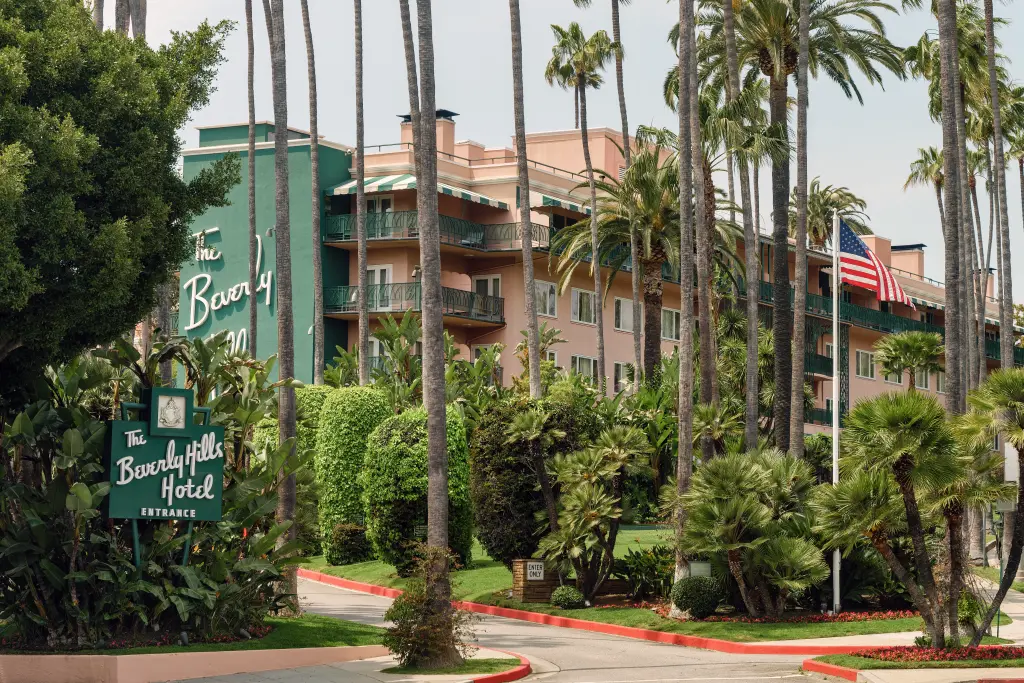

The Anatomy of LA Status Anxiety
Nicholson’s takedown is a glossy, name‑dropping tour of the hyper‑elite circles she grew up in. She describes a city where clout‑chasing follows players “to the grave,” and where even rest has become a competitive sport.
“In Los Angeles, a social media following means reservations at Alba and free trips to Costa Rica – but it will not get you into Guy Oseary’s Oscars party,” she writes.
The essay zeroes in on the absurdities of wellness culture. Angelenos, she says, obsess over sleep trackers, magnesium supplements, and early bedtimes, turning rest into a status symbol. Fitness, too, has become a behind‑closed‑doors affair. “Public” workouts are now the “domain of influencers” who trade posts for free training and leggings. The real power players, she promises, train in private gyms or homes equipped with saunas, massage rooms, and cold plunges.
Even skincare is outsourced: real A‑listers don’t leave the house for a facial. Instead, they have the personal number of facialist Iván Pol, who, “even on the day of the Golden Globes, will bring his proprietary face‑snatching radio frequency technology to you.”
The Nepo‑Baby Paradox: Biting the Hand That Feeds
Nicholson is keenly aware of her own privilege. As the daughter of one of the most famous actors in cinema history – Jack Nicholson, winner of three Academy Awards and icon of films like One Flew Over the Cuckoo’s Nest, The Shining, and Terms of Endearment – she has never wanted for access. Yet her essay is a sharp critique of the very system that elevated her.
Critics have noted the irony: a nepo‑baby unloading on Hollywood status anxiety from the pages of a glossy fashion magazine, likely written in a luxury home, with a publicist’s blessing. Some have called it “indulgent” and “tone‑deaf.” Others have praised its self‑awareness.
“After shelling out thousands for access to places like the Bird Streets, the San Vicente Bungalows, and Living Room, Angelenos are left realizing ‘these places do not complete your life,’” Nicholson writes – a revelation she frames as both sobering and strangely liberating.
The Raya Dating Hell and the Invisible Class System
Nicholson also turns her gaze to the hyper‑competitive world of invite‑only dating apps like Raya. She describes a marketplace where men stack themselves up against Olympians and producers, while women are up against “Former Victoria’s Secret models.”
The essay also skewers the social paranoia baked into Hollywood culture. Even a casual coffee run at a hip local chain like Maru can feel like a high‑stakes networking event. People avoid public interactions out of fear they’ll run into someone who “needs something” – or, worse, someone more important.
“That’s part of what makes L.A. so great,” Nicholson says. “This is a city where people who have tasted the upper echelons of status understand how little it means.”
Erewhon, GLP‑1s, and the Death of Food Culture
No critique of modern LA would be complete without a mention of Erewhon, the organic grocery chain that has become shorthand for excess. Nicholson notes that the city has become “shrunken by GLP‑1s” (the weight‑loss drugs that have swept Hollywood) and that Angelenos no longer care about food. Instead, they prefer “legacy restaurants frequented by the somebodies of yesteryear, like the Polo Lounge.”
The essay suggests that even the most exclusive clubs – the San Vicente Bungalows, the Bird Streets club – fail to deliver on their promises. They are empty status symbols, and realizing that is, in Nicholson’s view, liberating.
The Reaction: Eye‑Rolls and Applause
Unsurprisingly, the essay has generated mixed reactions. Some have praised Nicholson for her wit and self‑awareness. Others have accused her of hypocrisy, noting that she benefits from the very system she criticizes.
One anonymous talent agent told The Post: “It’s easy to call out status anxiety when you’ve never had to worry about your own status. Her last name opened every door. This feels like a rich kid complaining about how heavy their silver spoon is.”
But supporters argue that Nicholson’s insider perspective gives her unique insight. “She’s not pretending to be an outsider. She’s critiquing her own world from within. That takes guts,” said a Hollywood publicist who requested anonymity.
The Broader Context: Nepotism and Hollywood’s Reckoning
Nicholson’s essay arrives amid a broader cultural reckoning with nepotism in the entertainment industry. The term “nepo baby” entered the lexicon in a major way in 2022, sparking debates about privilege, access, and meritocracy.
| Famous Nepo Babies | Famous Parent(s) |
|---|---|
| Lorraine Nicholson | Jack Nicholson |
| Maude Apatow | Judd Apatow, Leslie Mann |
| Lily‑Rose Depp | Johnny Depp, Vanessa Paradis |
| Dakota Johnson | Don Johnson, Melanie Griffith |
| Maya Hawke | Ethan Hawke, Uma Thurman |
While some nepo babies have faced backlash for downplaying their advantages, Nicholson takes the opposite approach: she leans into her privilege while critiquing the absurdity of the system. Whether that makes her essay insightful or insufferable is in the eye of the beholder.
What Happens Next
- Public reaction: The essay is likely to be discussed on social media and in Hollywood circles for weeks. Expect both praise and mockery.
- Book deal speculation: Some industry insiders wonder if Nicholson is shopping a memoir or a collection of essays.
- Jack Nicholson’s response: The legendary actor has not commented publicly on his daughter’s piece.
FAQ: Lorraine Nicholson’s Hollywood Takedown
Q: Who is Lorraine Nicholson?
A: The 36-year-old daughter of Oscar-winning actor Jack Nicholson. She is a writer, filmmaker, and occasional actress.
Q: What did she write about?
A: She penned an essay for W Magazine criticizing LA’s “status-anxiety” culture, including private facialists, Erewhon, Raya, and exclusive clubs.
Q: Is she a nepo baby?
A: Yes. Her father is one of the most famous actors in Hollywood history. She acknowledges her privilege in the essay.
Q: What has the reaction been?
A: Mixed. Some praise her self-awareness; others call her tone-deaf and hypocritical.
Q: Where can I read the essay?
A: The essay appears in the most recent issue of W Magazine.
Q: Has Jack Nicholson commented?
A: No.