
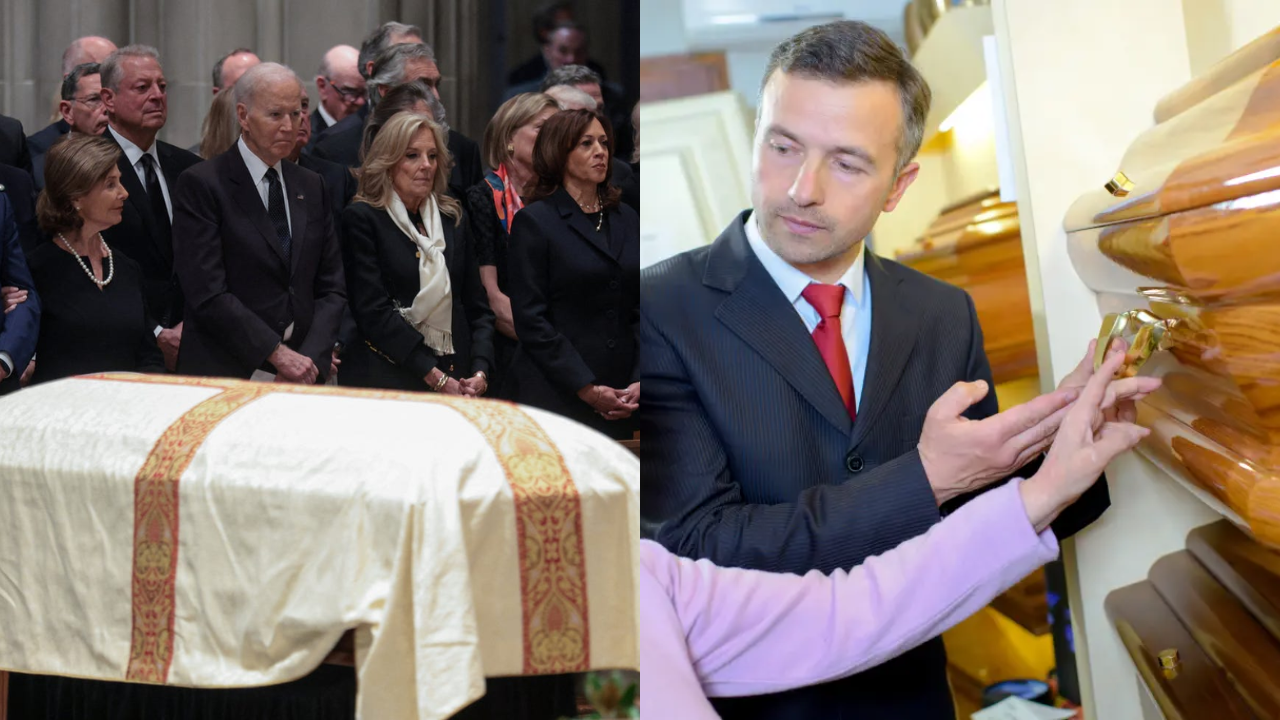
A funeral is one of the few certainties in life — but a new survey reveals that more than half of American adults would be forced to borrow money to pay for one. With the median cost of a funeral with burial now at $8,300, and the median American bank account holding just $8,000, a single death in the family can push grieving loved ones into financial ruin.
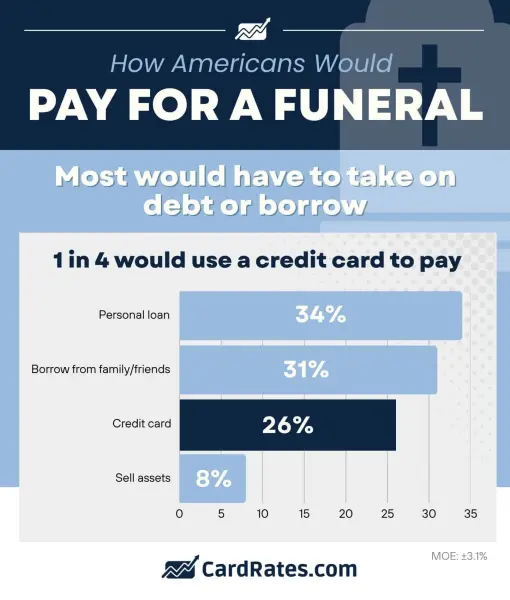
The survey, conducted by CardRates.com and released Thursday, found that 58% of US adults said they would need to take on debt to afford a single funeral. Among those unable to pay out of pocket:
| Method | Percentage |
|---|---|
| Take out a loan | 34% |
| Borrow from family or friends | 31% |
| Go into credit card debt | 26% |
| Sell assets | 8% |
“That’s a lot, that’s nearly 60% of American adults who are going to be blindsided when it comes to that cost,” Erica Sandberg, consumer finance expert at CardRates.com, told The Post.

The Numbers: What a Funeral Actually Costs
According to the National Funeral Directors Association (NFDA) , the median cost of a funeral with viewing and burial is $8,300. That breaks down as:
| Service | Median Cost |
|---|---|
| Basic services fee | $2,300 |
| Transfer of remains | $395 |
| Embalming | $795 |
| Other preparation | $295 |
| Use of facilities/staff | $515 |
| Hearse | $350 |
| Service car/van | $175 |
| Basic printed materials | $185 |
| Metal casket | $2,500 |
| Total (with casket & burial) | $8,300 |
Cremation is generally less expensive. The NFDA reports a median cost of $6,500 for a funeral with cremation, though direct cremation (no service) can cost as little as $1,000–$3,000.
These figures exclude cemetery costs — including grave plots, opening/closing fees, and headstones — which can add several thousand dollars more.
The Savings Gap: $8,000 in the Bank
The Federal Reserve’s Survey of Consumer Finances shows the median American household has just $8,000 in transaction accounts (checking and savings). That’s barely enough to cover a single funeral — and for many, not enough at all.
Sandberg explained the dilemma:
“That’s going to be a major problem when it comes to this economy because people are having more trouble meeting their expenses, which means they have more trouble setting cash aside, even for things that are inevitable.”
Inflation and the Iran War: Making a Bad Situation Worse
The timing of the survey is particularly grim. As the US-Iran war continues and the naval blockade of the Strait of Hormuz disrupts global oil supplies:
- Inflation has ramped up to its hottest level since May 2024
- Consumer confidence has tumbled to an all-time low
- The International Monetary Fund (IMF) warned in an April 14 report that further escalation in the Middle East could slow growth, fuel inflation, and even tip the economy into a recession
Funeral costs, like most goods and services, are likely to rise as inflation persists.
Why So Many Are Unprepared
Sandberg told The Post that cash-strapped consumers are prioritizing other expenses:
“People are putting most of their funds toward more immediate expenses, like tuition or medical bills, while saving up for retirement – while funeral costs tend to fall to the wayside.”
A Bankrate study released in February 2026 found that less than half of US adults had enough emergency savings to cover three months of expenses — and that was before the Strait of Hormuz blockade caused the worst-ever energy supply disruption.
Key findings from Bankrate:
- Only 44% of adults could pay a $1,000 emergency expense from savings
- 25% would borrow from family or friends
- 21% would use a credit card
- 10% would take out a personal loan
Funeral Debt: Long-Term Consequences
Going into debt for a funeral can have lasting financial effects:
- Credit card debt — Average interest rates are now over 22%, meaning an $8,300 funeral could cost nearly $10,000 if paid off over a year
- Personal loans — Lower interest rates (typically 10-15%) but require credit checks and monthly payments
- Borrowing from family — Least expensive option, but can strain relationships during an already difficult time
Sandberg noted:
“Borrowing from a family member or friend is one of the best options, since it typically comes with no interest.”
She also warned about making financial decisions while grieving:
“It can be very difficult to make these choices when you are in an emotionally wrecked state. Turn to others that you trust and have them walk you through the options because you may not be in any real state to make those great choices when you need to.”
Cremation on the Rise
As funeral costs climb, more Americans are choosing cremation. According to the NFDA:
- The cremation rate in the US was 60.5% in 2024
- Projected to reach 64.8% by 2029
- Direct cremation (no service, no viewing) is the fastest-growing option
Cremation is significantly cheaper than burial — often $1,000–$3,000 for direct cremation — and eliminates the need for a casket, embalming, and cemetery plot.
However, many families still desire a traditional funeral for religious or cultural reasons, leaving them with the higher bill.
How to Plan Ahead: Avoiding Funeral Debt
Financial planners recommend several strategies to avoid burdening loved ones:
| Strategy | How It Helps |
|---|---|
| Pre-pay for a funeral | Locks in current prices; avoids inflation |
| Purchase funeral insurance | Small premiums pay out a benefit at death |
| Set aside dedicated savings | Even $1,000–$2,000 eases the burden |
| Discuss wishes in advance | Prevents overspending on unnecessary services |
| Compare funeral home prices | Prices vary widely; the FTC requires itemized price lists |
The Funeral Consumers Alliance recommends contacting multiple funeral homes and asking for their General Price List (GPL), which the FTC requires them to provide over the phone or in person.
What Happens If You Can’t Pay?
If a family cannot afford a funeral, options include:
- Direct cremation — The least expensive option (often under $1,500)
- Donating the body to science — Free, though the body is not returned for burial
- County or state indigent programs — Some localities will bury or cremate unclaimed bodies at public expense
- Crowdfunding — GoFundMe campaigns for funeral expenses have become common
The NFDA also operates a “Funeral Assistance” directory for families facing financial hardship.
Expert Advice: Don’t Wait
Sandberg’s bottom line:
“This is something that’s going to happen. People need to plan ahead. Even setting aside $20 a month into a dedicated ‘funeral fund’ can make a difference. The worst thing you can do is pretend it won’t happen.”
With inflation expected to continue and a potential recession looming, funeral costs are likely to rise. The median funeral cost has increased approximately 6% annually over the past decade — outpacing general inflation.
FAQ: Funeral Costs and Debt
Q: How much does the average funeral cost?
A: The median cost of a funeral with viewing and burial is $8,300. Cremation is less expensive, with direct cremation as low as $1,000–$3,000.
Q: What percentage of Americans can’t afford a funeral?
A: 58% of US adults said they would need to borrow money to pay for a funeral, according to a CardRates.com survey.
Q: How would most people pay for a funeral?
A: 34% would take out a loan, 31% would borrow from family/friends, 26% would use credit cards, and 8% would sell assets.
Q: How much money does the average American have in savings?
A: The median American household has $8,000 in checking and savings accounts, according to the Federal Reserve.
Q: Is cremation cheaper than burial?
A: Yes. Direct cremation can cost $1,000–$3,000, compared to $8,300+ for a full burial funeral.
Q: How can I avoid funeral debt for my family?
A: Pre-pay for a funeral, purchase funeral insurance, set aside dedicated savings, or discuss your wishes in advance to avoid unnecessary expenses.
Sources: CardRates.com, National Funeral Directors Association, Federal Reserve Survey of Consumer Finances, Bankrate, International Monetary Fund, Funeral Consumers Alliance. This article was published April 16, 2026.