

A top emergency room physician in San Diego is facing serious allegations from the Medical Board of California that she showed up to work impaired — with slurred speech, droopy eyelids, and erratic behavior — while treating patients. Despite the gravity of the accusations, Dr. Ariana Dillman is still permitted to practice medicine, though under close supervision.
The incident occurred during a June 2025 ER shift at a Solana Beach hospital, according to a Medical Board of California accusation obtained by ABC10. Dillman allegedly “exhibited behaviors consistent with intoxication or impairment,” including the classic signs of substance use.
When asked to take an on-the-spot drug test, Dillman refused, the report states.

What the Medical Board Alleges
According to the board’s accusation:
| Allegation | Details |
|---|---|
| Impaired behavior | Slurred speech, droopy eyelids, erratic behavior during ER shift |
| Refusal to test | Dillman refused to take a drug test on the spot |
| Substance use | Board alleges she “has used controlled substances, dangerous drugs, or alcoholic beverages” in a way that could impair her ability to safely practice medicine |
| Diagnosis | A psychiatrist diagnosed her with alcohol use disorder following the incident |
Her employer suspended her privileges after the incident. But the Medical Board allowed her to continue practicing under a probationary agreement that includes:
- Random drug and alcohol testing
- Attendance at a support group
- Steering clear of controlled substances
- Close supervision while treating patients
The Public Safety Question
Critics argue that allowing a physician accused of being impaired on the job to continue treating patients — even under supervision — puts the public at risk.
Michele Monserratt-Ramos, a patient advocate with Consumer Watchdog, told ABC10:
“Unfortunately, we’re seeing a lot of cases like this across the state. There should really be stricter standards for physicians that are found under the influence while in a hospital setting while practicing.”
The case highlights a broader tension in medical regulation: balancing physician rehabilitation with patient safety.
Physician Impairment: A National Problem
According to the Federation of State Medical Boards (FSMB) , an estimated 10-15% of physicians will struggle with alcohol or drug impairment at some point in their careers. However, only a fraction are caught or reported.
Key statistics:
- 8% of physicians meet criteria for alcohol use disorder
- 5% have used prescription drugs non-medically
- 1-2% are estimated to be impaired while working on any given day
Most state medical boards, including California’s, have Physician Health Programs (PHPs) designed to monitor and rehabilitate impaired doctors rather than immediately revoking their licenses.
California’s PHP has been criticized for being too lenient. A 2023 investigation by the Los Angeles Times found that dozens of physicians continued practicing for months or years after being reported for impairment, and some went on to harm additional patients.
Dr. Ariana Dillman: From ER to Med Spa
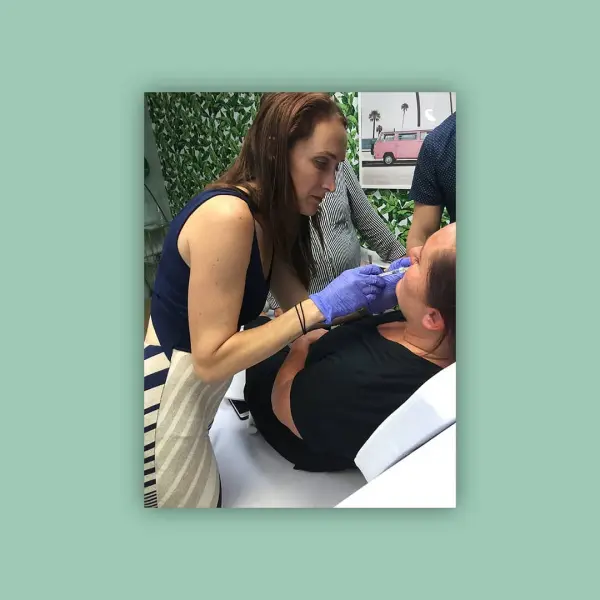
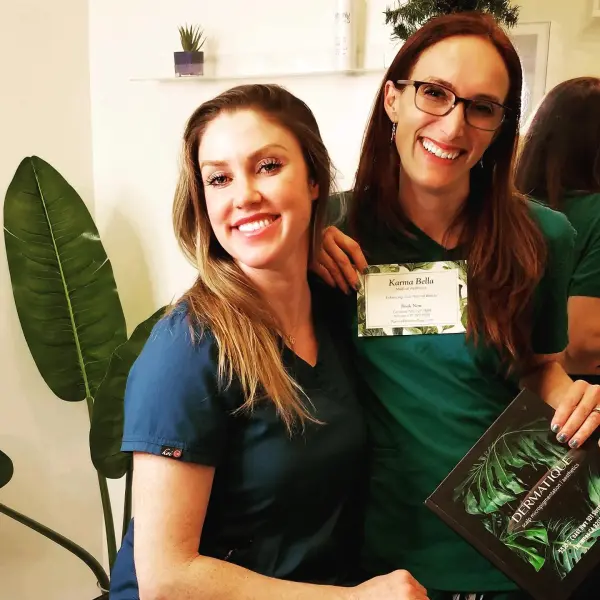
Dillman’s name now appears among the staff at Karma Massage & Spa, a popular San Diego spot for cosmetic treatments such as Botox, filler injections, and other aesthetic procedures.
It’s unclear whether Dillman is practicing there or simply listed as affiliated. The Medical Board’s supervision requirements may limit where and how she can work.
Neither Dillman nor her attorney has responded to requests for comment. Karma Massage & Spa did not immediately return calls.
The Medical Board’s Response
The Medical Board of California declined to comment on Dillman’s specific case, citing confidentiality laws. However, a spokesperson provided a general statement:
“The board takes all allegations of physician impairment seriously. When impairment is found, the board’s goal is to protect patients while also providing physicians an opportunity for rehabilitation when appropriate. Probationary agreements include strict monitoring conditions.”
The board has the authority to suspend or revoke licenses, but typically reserves that for cases where a physician refuses monitoring or commits additional violations.
Legal and Professional Consequences
Dillman could face additional consequences beyond the board’s probation:
- Criminal charges: If she was found to be in possession of illegal drugs or driving under the influence, separate criminal charges could follow. No such charges have been announced.
- Civil lawsuits: Patients treated by Dillman while she was allegedly impaired could sue for medical malpractice.
- Hospital privileges: Her employer suspended her privileges. Regaining them would require completing the monitoring program and proving fitness to practice.
What Other States Do
California is not alone in struggling with physician impairment. Different states take different approaches:
| State | Approach |
|---|---|
| Texas | Mandatory reporting of impaired physicians; aggressive board action |
| Massachusetts | PHP model with close court oversight |
| Florida | Suspension pending investigation; rehabilitation before return |
| New York | Public disclosure of impairment findings on physician profiles |
California’s model — probation with supervision — falls somewhere in the middle. Critics say it prioritizes physician careers over patient safety.
What Patients Should Know
Patients who believe their physician may be impaired have options:
- Speak to a supervisor at the hospital or clinic
- File a complaint with the Medical Board of California
- Consult an attorney if they believe they were harmed
The Medical Board’s website allows patients to look up physician licenses and any disciplinary actions.
What Happens Next
- Monitoring continues: Dillman must comply with random testing and support group attendance. Any violation could lead to license suspension.
- Possible further action: The Medical Board could revisit the case if new allegations emerge.
- Legislative pressure: Patient advocates are calling for stricter laws, including mandatory suspension for any physician found impaired on the job.
FAQ: San Diego ER Doctor Case
Q: What is Dr. Ariana Dillman accused of?
A: Showing up to work impaired — with slurred speech, droopy eyelids, and erratic behavior — and refusing a drug test. A psychiatrist later diagnosed her with alcohol use disorder.
Q: Is she still practicing medicine?
A: Yes, but under close supervision and with random drug testing, support group attendance, and restrictions on controlled substances.
Q: Where does she work now?
A: Her name is listed at Karma Massage & Spa, a cosmetic treatment center in San Diego.
Q: Was she arrested?
A: No criminal charges have been announced.
Q: How common is physician impairment?
A: An estimated 10-15% of physicians will struggle with substance abuse at some point in their careers.
Q: Can patients check if their doctor has disciplinary actions?
A: Yes, through the Medical Board of California’s license lookup tool.
Sources: ABC10, Medical Board of California, Federation of State Medical Boards, Los Angeles Times (2023 investigation). This article was published April 16, 2026.