SHREVEPORT, La. – A deranged Army veteran fatally shot eight children – seven of them his own – execution‑style in a horrific early‑morning domestic violence rampage Sunday, then was killed by police after also wounding two women. Most of the young victims were shot in the head while they slept, and one child was found dead on the roof after trying to flee.
The massacre unfolded around 6 a.m. in Shreveport, Louisiana, following an argument between 31‑year‑old Shamar Elkins and his wife. Elkins, a military veteran who had posted a photo of “all my kids” on Easter just two weeks ago, then went on a murderous spree through three different homes, targeting children ranging in age from 3 to 11.
The Caddo Parish Coroner’s Office identified the victims as:
- Jayla Elkins, 3
- Shayla Elkins, 5
- Kayla Pugh, 6
- Layla Pugh, 7
- Markaydon Pugh, 10
- Sariahh Snow, 11
- Khedarrion Snow, 6
- Braylon Snow, 5
According to local officials, Elkins fathered seven of the children; the eighth victim was a niece or nephew. It is unclear which child was the cousin.
“Most of the victims were shot in the head while they slept,” Shreveport Police Department spokesman Christopher Bordelon told NBC News. “One child was killed on the roof while trying to escape.”
Elkins also shot and wounded two women during his murderous rage. When police arrived, Elkins was killed in an exchange of gunfire.
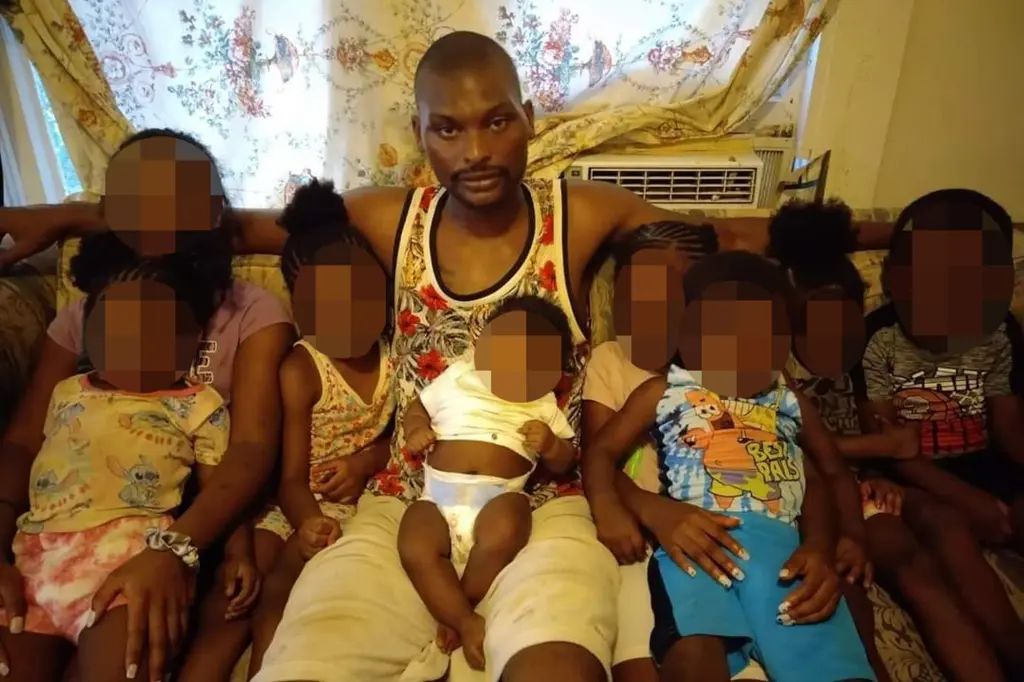
A Timeline of Horror: From Argument to Execution
The massacre began shortly after a domestic dispute between Elkins and his wife. Authorities have not released the wife’s condition, but she was not listed among the dead. Elkins then traveled to at least three separate residences in Shreveport, all believed to be occupied by his children and other relatives.
At each location, Elkins methodically shot the children – most while they lay in bed. The sole survivor among the children, if any, has not been reported. The two wounded women are being treated at a local hospital; their conditions are not yet known.
“This is one of the most horrific scenes I have witnessed in my 25 years of law enforcement,” said a Shreveport police officer who spoke on condition of anonymity. “To see children of that age executed while they were sleeping – it’s beyond comprehension.”
The Shooter: Shamar Elkins, an Army Veteran with a Troubling Post
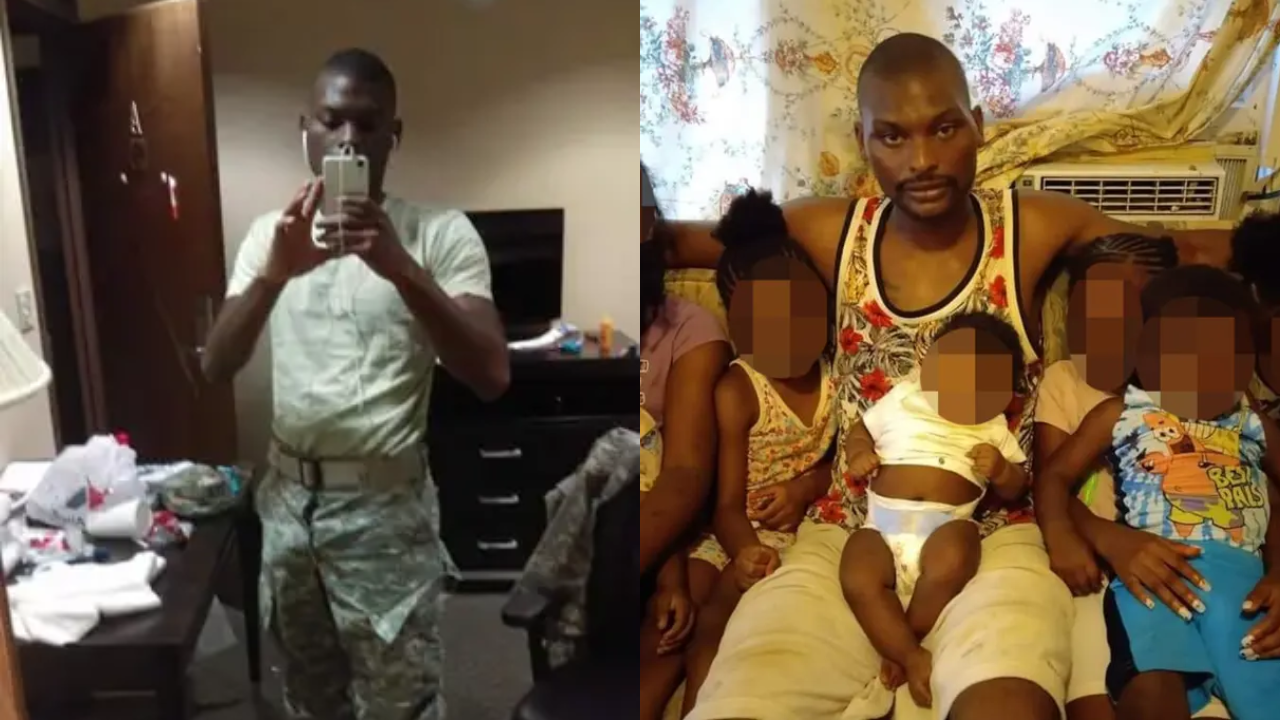
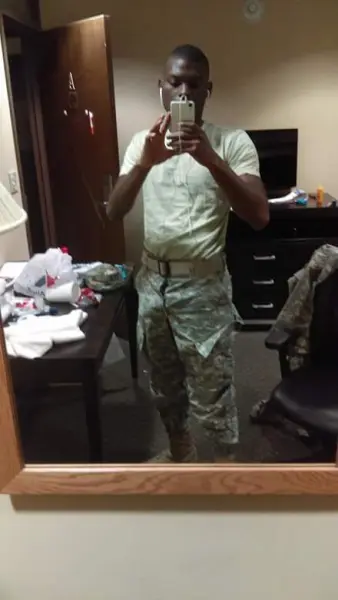
Elkins was a U.S. Army veteran. His military record has not been fully released, but neighbors and family members described him as having “anger issues” and a history of domestic volatility. A 2016 Facebook photo shows Elkins in uniform; he appeared to have served for at least several years.
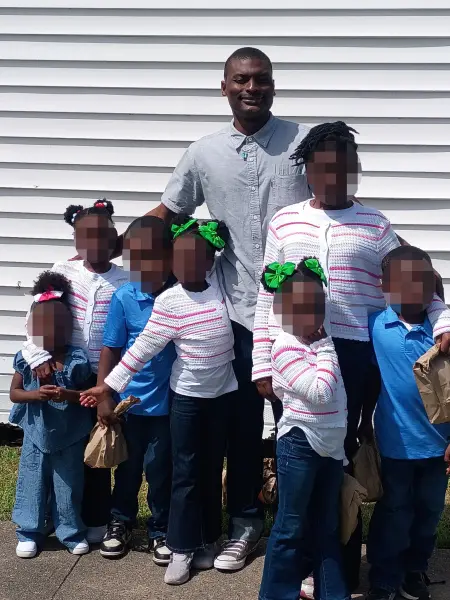
On April 5, 2026 – just two weeks before the massacre – Elkins posted a photo of eight children on Facebook with the caption “all my kids” as they were going to church on Easter Sunday. The photo showed smiling, well‑dressed children posing in front of a white building.
Just hours before the shooting, Elkins shared a separate post featuring one of his daughters, a seemingly normal fatherly tribute. Then, at dawn, he became a mass murderer.
Neighbors told local media that Elkins had recently been acting erratically. One neighbor said, “He was always screaming at someone. We heard a lot of arguing from that house. But nobody thought he would ever hurt the kids.”
Familicide: A Rare but Devastating Crime
The murder of one’s own children – known as familicide – is a relatively rare but catastrophic event. According to the U.S. Department of Justice:
- Approximately 150–200 familicide cases occur in the United States each year, in which a parent kills their own children (and often their partner and then themselves).
- In 90% of cases, the perpetrator is male.
- The most common motives include: domestic conflict, separation or divorce, financial stress, and severe mental illness (including post‑traumatic stress disorder, depression, and psychotic breaks).
Veterans are overrepresented in familicide statistics. A 2023 study by the University of Southern California found that 15% of familicide perpetrators had prior military service – a rate roughly twice their proportion of the general adult population. Risk factors include combat exposure, traumatic brain injury, substance abuse, and difficulty reintegrating into civilian family life.
“When a veteran with untreated PTSD or other mental health conditions faces a domestic crisis, the risk of catastrophic violence – including against children – rises dramatically,” said Dr. Rachel Sullivan, a forensic psychologist who has studied military‑related familicide. “We need to do a much better job of screening and supporting veterans in crisis.”
Louisiana has one of the highest rates of domestic violence homicide in the nation, ranking in the top five states per capita.
The Aftermath: A Community in Shock
Shreveport, a city of roughly 187,000 in northwestern Louisiana, is reeling from the tragedy. The Caddo Parish Coroner’s Office confirmed that autopsies will be performed on all eight children. Grief counselors have been dispatched to the affected schools and neighborhoods.
Louisiana Gov. Jeff Landry issued a statement:
“This is an unspeakable tragedy. Our hearts break for the innocent children whose lives were cut short by senseless violence. We are praying for the families and for the entire Shreveport community. The state will provide all resources necessary to support the investigation and the survivors.”
President Trump was briefed on the massacre and offered federal assistance if needed. In a statement, the White House said: “The President and First Lady extend their deepest condolences to the families of the eight young victims. No family should ever have to endure such horror.”
A makeshift memorial of stuffed animals, candles, and balloons appeared outside the main crime scene on W. 79th Street.
Gun Laws and Red Flags: Could This Have Been Prevented?
Louisiana has some of the most permissive gun laws in the United States. The state does not require a permit to purchase a firearm, does not require a license to carry a concealed weapon (permitless carry became law in 2024), and has no extreme risk protection order (“red flag”) law that would allow family members or police to temporarily remove firearms from an individual deemed dangerous.
Elkins legally owned multiple firearms, including the handgun used in the massacre. Neighbors said they had called police on previous occasions due to loud arguments, but no domestic violence protective order had been filed.
“A red flag law might have saved those children,” said Sarah Finnegan, a policy analyst with the Giffords Law Center. “When a family sees a veteran spiraling, they need a tool to get the guns out of the house before it’s too late.”
Louisiana lawmakers have repeatedly rejected red‑flag legislation, citing Second Amendment concerns.
The Broader Epidemic of Mass Shootings Involving Children
Sunday’s massacre is the deadliest mass shooting involving children in the U.S. since the 2022 Uvalde school shooting, which killed 19 children and two teachers. It is also the largest case of familicide in recent memory.
According to the Gun Violence Archive:
- In 2025, there were 692 mass shootings (four or more victims) nationwide.
- Of those, 48 involved children as the primary victims.
- The majority of child‑victim mass shootings occur in domestic settings, not in schools.
The Shreveport tragedy has renewed calls for better mental health screening for veterans, more robust domestic violence intervention, and state‑level red‑flag laws.
What Happens Next
- Investigation: The Caddo Parish Sheriff’s Office and Louisiana State Police are leading the investigation. Autopsies will determine the exact cause and manner of death for each child.
- Police shooting review: The officer‑involved shooting of Elkins will be reviewed by the Louisiana State Police and the district attorney’s office.
- Family support: The surviving women are receiving medical care. Child welfare services have been activated to assist any surviving children (none have been reported so far, but relatives may need support).
- Community vigils: Multiple vigils are being planned in Shreveport over the coming week.
FAQ: Shreveport Massacre
Q: How many children were killed?
A: Eight children, ages 3 to 11. Seven were the shooter’s biological children; one was a niece or nephew.
Q: How were they killed?
A: Most were shot in the head while sleeping. One child was killed on the roof while trying to escape.
Q: Who was the shooter?
A: Shamar Elkins, 31, an Army veteran. He was killed by police at the scene.
Q: Did he have a military history?
A: Yes, he served in the U.S. Army. Details of his service and discharge status have not yet been released.
Q: Were there warning signs?
A: Neighbors reported frequent arguments, but no formal domestic violence protective orders had been filed. Elkins posted a happy photo of his children just two weeks before the massacre.
Q: What charges would he have faced?
A: Eight counts of first‑degree murder, aggravated assault, and domestic violence charges. He was killed before any arrest could be made.
Q: Where can I get help if I am in a domestic violence situation?
A: Call the National Domestic Violence Hotline at 1‑800‑799‑7233 or text “START” to 88788.