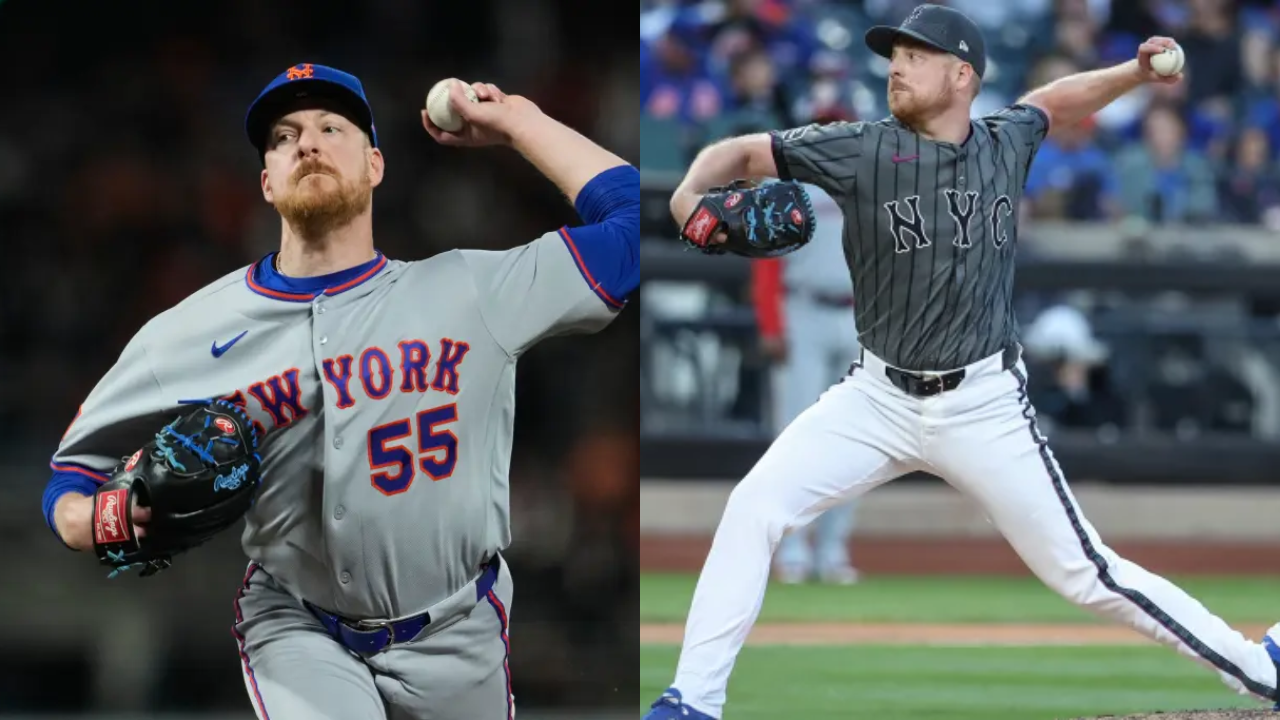

CHICAGO – The Mets changed the script slightly Sunday, but the final scene of this horror show was all too familiar: a walk‑off loss, a blown save, and a losing streak that now matches the franchise’s longest since 2002. Devin Williams, the All‑Star closer acquired to lock down games, wore the goat horns after surrendering a game‑tying double in the ninth, and Craig Kimbrel took the loss in the 10th as the Cubs edged New York 2‑1 at Wrigley Field.
The defeat extended the Mets’ losing streak to 11 games – matching the club’s 11‑game skid from April 19 to May 1, 2002. It is the third 11‑game losing streak in franchise history, joining the 1962 expansion Mets (who lost 17 straight) and the 2002 team.
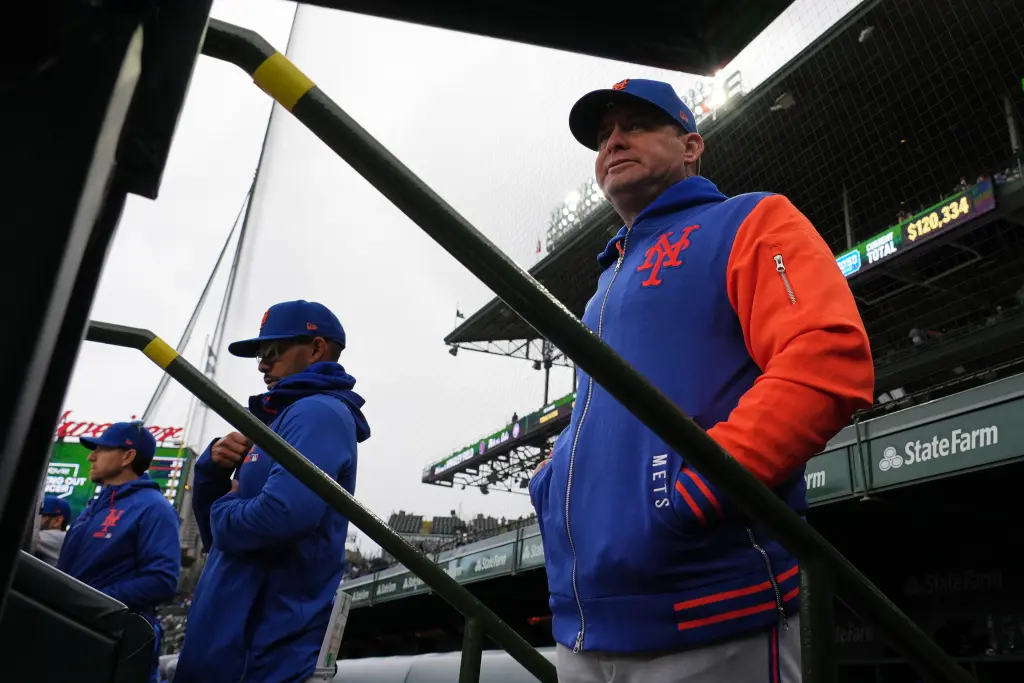
“Eleven losses, that’s a lot, whether it’s in April or any point of the season,” manager Carlos Mendoza said. “But nobody is going to feel sorry for us. We have got to find a way.”
The Mets (4‑15) have now lost 15 of their last 16 games dating back to April 4. Their .211 winning percentage is the worst in the National League and second‑worst in baseball behind only the Miami Marlins.
How the Loss Unfolded: A Bullpen Collapse in Two Acts
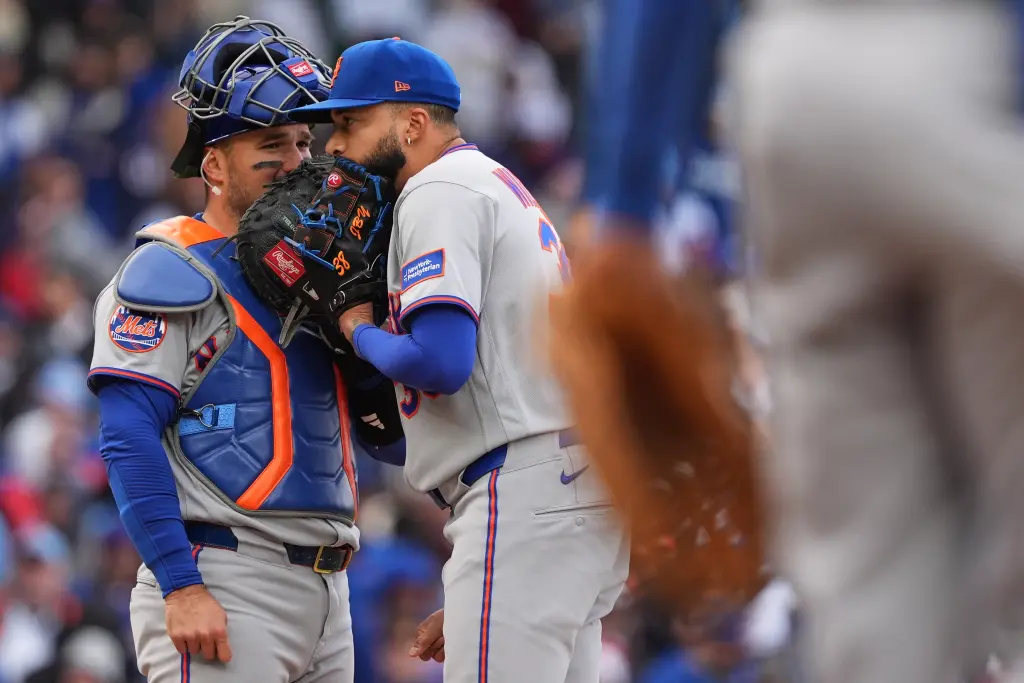
The game was a pitcher’s duel through eight innings. Tobias Myers, in an opener’s role, gave the Mets two scoreless innings. David Peterson entered for the third and delivered his best outing of the season: 3⅔ scoreless innings, allowing just one hit and striking out four. He escaped a bases‑loaded jam in the sixth and looked like the pitcher the Mets hoped for when they signed him.
MJ Melendez, one of the few Mets showing life offensively, homered off Cubs starter Javier Assad in the fifth – a solo shot to right, his first as a Met. Melendez is 5‑for‑14 since his recall from Triple‑A Syracuse.
The Mets carried that 1‑0 lead into the bottom of the ninth. Closer Devin Williams, who had struggled in his previous appearance (four earned runs over one‑third of an inning against the Dodgers), entered to protect the lead.
“They gave me a lead. It’s my job to hold it and I made a mistake. It cost us the game today,” Williams said.
Ian Happ led off with a single. Michael Conforto then lined a pinch‑hit double to right field. Tyrone Taylor did not field the ball cleanly, allowing Happ to score easily from first. The game was tied 1‑1.
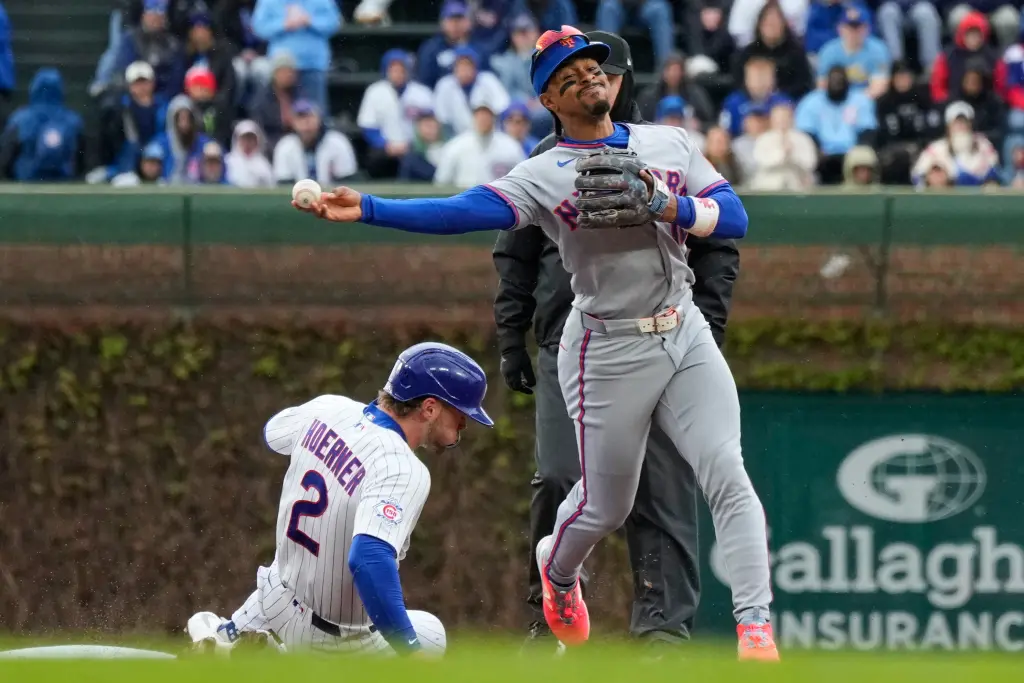
In the 10th inning, automatic runner Pete Crow‑Armstrong started at second base for the Cubs. Craig Kimbrel, who had been brought in to close, threw a wild pitch that advanced Crow‑Armstrong to third with nobody out. After Dansby Swanson struck out, Nico Hoerner lifted a sacrifice fly to right field – deep enough to score the winning run.
“You got to the ninth inning feeling good, but when you are playing one‑run games you have to be perfect,” Mendoza said. “It’s hard to play like that. It’s a tough stretch right now.”
The Manager’s Decision That Sparked Second‑Guessing
Mendoza faced pointed questions after the game about whether he should have intentionally walked Hoerner to set up a potential inning‑ending double play, with slumping Michael Busch on deck.
“In that situation, especially with Hoerner, you put him at first base, they are going to take second base there,” Mendoza explained. “There is a contact situation there, but they have got some of their best hitters coming up after that too, so just going right after him.”
Fans and analysts were divided. Some argued that walking Hoerner would have loaded the bases with one out, forcing the Cubs to rely on Busch – who entered the game hitting .196 – to end the inning. Others defended Mendoza, noting that a walk would have put the winning run just 90 feet away.
The decision ultimately backfired. Hoerner’s sac fly was deep enough to score the run, and the game ended on the next pitch.
The Offensive Woes: A Lineup in Freefall
The Mets’ offense has been the primary culprit during the losing streak. In six games on the road trip, the team managed only 10 runs. On Sunday, they went 1‑for‑9 with runners in scoring position – a recurring theme.
Francisco Lindor, the team’s $341 million shortstop, has just one RBI on the season. He pointed the blame at himself.
“I came up in situations to drive runners in and didn’t do that,” Lindor said. “It just came down to the last two outs. When I get guys in scoring position and I don’t drive them in, I don’t help the team.”
“This feeling sucks. [But] we’re professionals and we have got to find a way to do whatever it takes to end up on top after 27 outs and sometimes 30 outs. It’s not a good feeling, but no one here is hanging their heads.”
The Mets’ team batting average in April is .212, ranking 28th in MLB. Their OPS of .634 is 29th. Only the Marlins and White Sox have scored fewer runs.
Historical Context: The Mets’ Worst Stretches
The 2026 losing streak is already tied for the fifth‑longest in franchise history. The record belongs to the 1962 expansion Mets, who lost 17 straight from June 6 to June 23. The 1963 team lost 12 straight, and the 2002 team lost 11 straight – a streak that is now matched.
| Longest Mets Losing Streaks | Year | Games |
|---|---|---|
| 1st | 1962 | 17 |
| 2nd | 1963 | 12 |
| 3rd (tie) | 2002 | 11 |
| 3rd (tie) | 2026 | 11 (active) |
The 2026 team still has a chance to avoid infamy if they can snap the streak soon. Their next game is Monday night at Wrigley Field against the same Cubs, followed by a home series against the St. Louis Cardinals.
The Bullpen’s Troubling Trend
Devin Williams was acquired in the offseason to be the anchor of the Mets’ bullpen. He arrived with a reputation as one of baseball’s best closers, boasting a career 1.96 ERA and a devastating changeup. But in 2026, he has been a liability: 0‑2 with a 9.00 ERA, three blown saves in five chances, and opponents hitting .333 against him.
Craig Kimbrel, the 37‑year‑old future Hall of Famer, has also struggled. In 10 appearances, he has a 5.73 ERA and has allowed 11 hits and seven walks in 11 innings. The Mets invested heavily in both veterans, and neither has delivered.
“I’m not going to make excuses,” Williams said. “I’ve got to be better. The team is counting on me, and I’m letting them down.”
Mendoza, who took over as manager this season after the firing of Buck Showalter, is already facing calls for his job from frustrated fans. The Post’s Jon Heyman wrote Sunday that “the Mets and Carlos Mendoza are entering dangerous territory,” noting that owner Steve Cohen has a history of impatience.
What’s Next for the Mets
- Monday, April 20: The Mets close their four‑game series against the Cubs at Wrigley Field. First pitch is 7:40 p.m. ET.
- Upcoming homestand: After Chicago, the Mets return to Citi Field for a three‑game set against the St. Louis Cardinals (April 21‑23) and then the Miami Marlins (April 24‑26).
- Injury updates: No major injuries have been reported, but the team is considering calling up prospects from Triple‑A Syracuse to inject life into the lineup.
- Trade speculation: With the trade deadline still months away, rumors are already swirling that the Mets could become sellers if the losing continues. Star outfielder Brandon Nimmo and starter Kodai Senga have been mentioned as potential trade chips.
FAQ: Mets’ 11‑Game Losing Streak
Q: How long is the Mets’ current losing streak?
A: 11 games, matching the franchise’s longest since 2002.
Q: When was the last time the Mets won?
A: April 7, 2026, a 5‑3 victory over the Atlanta Braves at Citi Field.
Q: Who is to blame for the losing streak?
A: The offense has been the biggest culprit, scoring just 10 runs in six games on the recent road trip. The bullpen has also blown multiple leads.
Q: What is the longest losing streak in Mets history?
A: 17 games, set by the 1962 expansion Mets.
Q: Could Carlos Mendoza be fired?
A: Owner Steve Cohen has not publicly commented, but analysts note that Mendoza’s job security is shaky if the losing continues.
Q: Where can I watch the next Mets game?
A: Monday, April 20 at 7:40 p.m. ET on SNY (regional) and MLB Network (national).