A 10-day ceasefire between Israel and Lebanon took effect at midnight Friday, offering a fragile pause in more than a month of deadly fighting that has claimed over 2,000 lives. The truce, announced by President Trump on Truth Social, was hailed as a “historic day for Lebanon” — even as celebratory gunfire erupted in Beirut and Hezbollah kept its “finger on the trigger.”
The ceasefire began at 5 p.m. EST (2100 GMT) Thursday, following a rapid, high-pressure diplomatic push led directly from the White House. Trump personally called Israeli Prime Minister Benjamin Netanyahu and Lebanese President Joseph Aoun, coaxing the Israeli premier to agree to the truce.
“It has been my Honor to solve 9 Wars across the World, and this will be my 10th, so let’s, GET IT DONE!” Trump wrote on Truth Social.
The Ceasefire Terms: A Six-Point Framework
The US State Department released a six-point memorandum of understanding outlining the terms, which both governments have agreed to:
Despite the truce, Netanyahu confirmed that Israeli troops will maintain a 10‑kilometer (6.2‑mile) security zone in southern Lebanon and will not withdraw during the ceasefire.
The Human Toll: Over 2,000 Dead and Counting
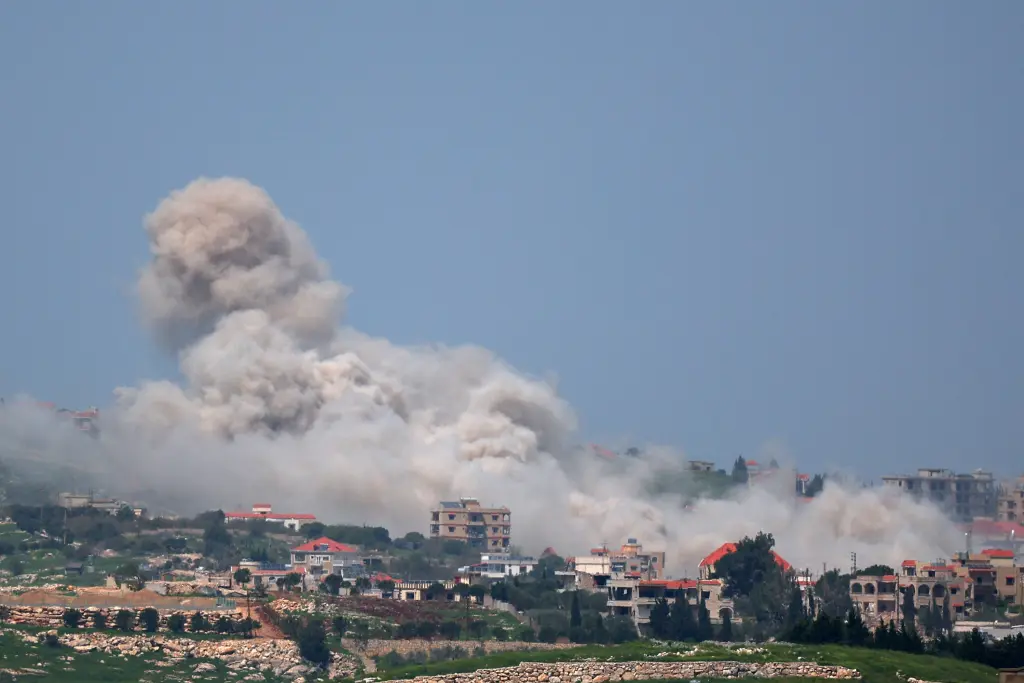
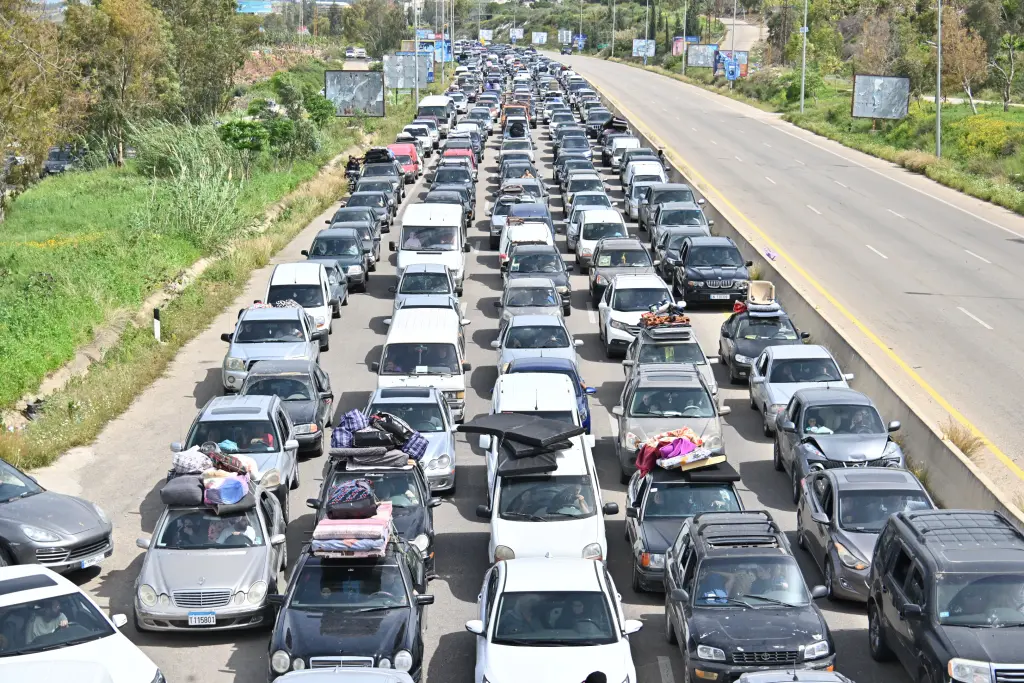
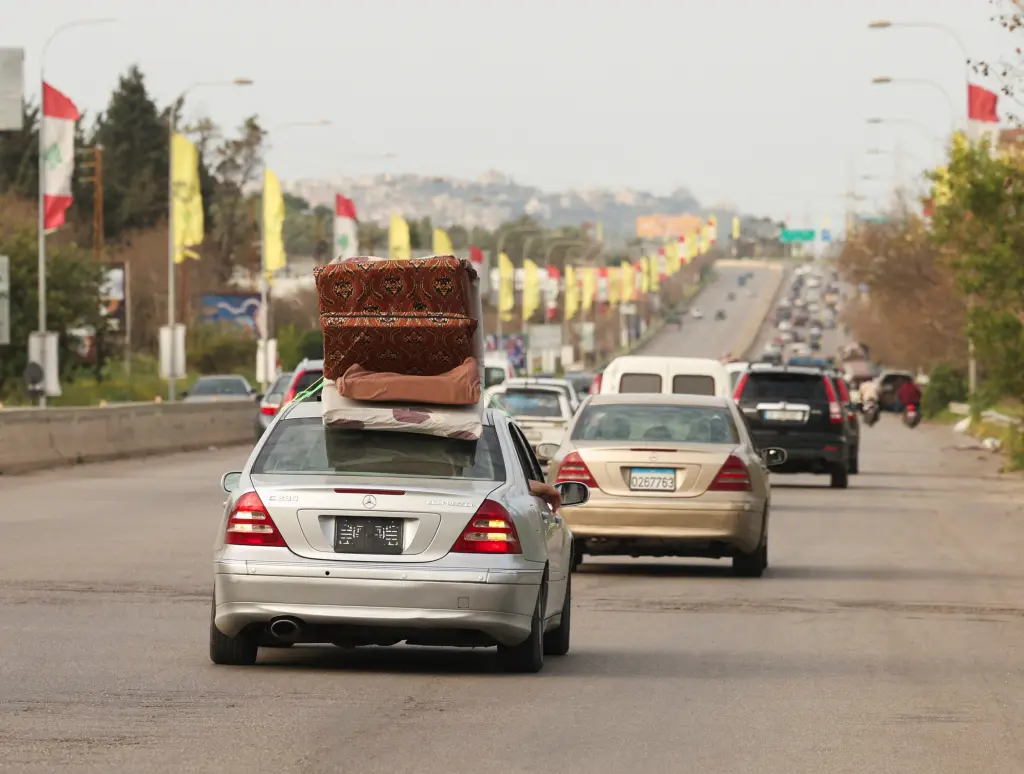
The truce aims to end more than a month of deadly escalation between Israel and Hezbollah, which has claimed over 2,000 lives. According to Lebanese authorities, Israeli attacks have killed at least 2,124 people, including 254 women and 168 children, and displaced more than one million others.
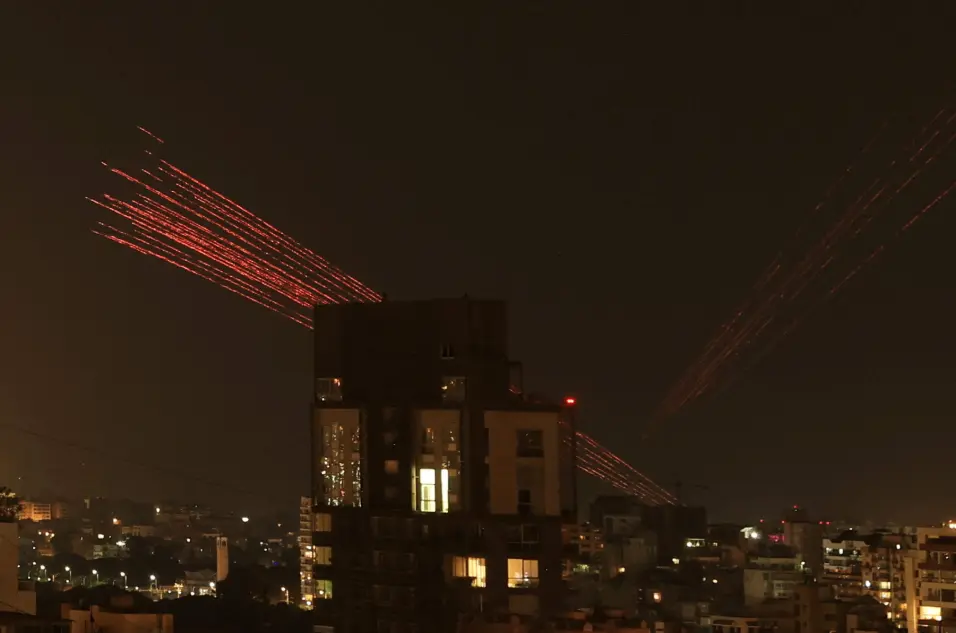
In the final hours before the ceasefire took effect, both sides continued trading fire. The IDF struck more than 380 Hezbollah targets in southern Lebanon in a single day, including militants, launchers and command centers. Meanwhile, Hezbollah rockets injured several people in northern Israel, including a 17-year-old girl and a 25-year-old motorcyclist.
The Diplomatic Blitz: How It Happened in 48 Hours
The ceasefire did not emerge from a long, structured process. Instead, it was the result of a compressed, high-pressure push from the White House.
Tuesday (April 14): Secretary of State Marco Rubio met with the Israeli and Lebanese ambassadors in Washington, DC — the first high-level, direct talks between the two countries in decades. Lebanon reportedly acknowledged that Hezbollah is a “mutual problem”.
Wednesday (April 15): Trump called Netanyahu, who agreed to the ceasefire “with certain terms”. Trump then directed Rubio to contact Aoun, securing Lebanon’s agreement overnight.
Thursday (April 16): Trump held follow‑up calls with both leaders to finalize the deal. The State Department worked with both governments to draft the memorandum of understanding.
A senior Israeli official told Axios that Trump “pushed this ceasefire through” — adding that Israeli ministers learned of Trump’s declaration during an ongoing security cabinet call, before formal approval had been fully discussed.
Celebrations and Skepticism in Lebanon
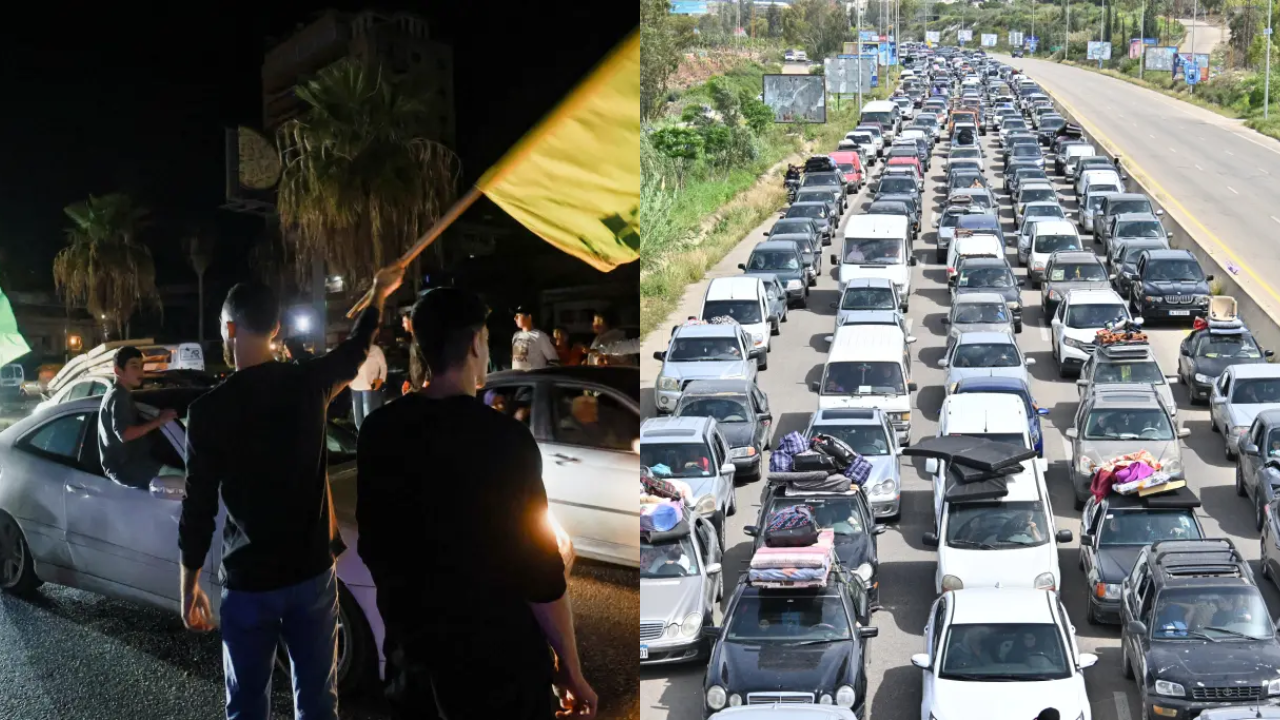
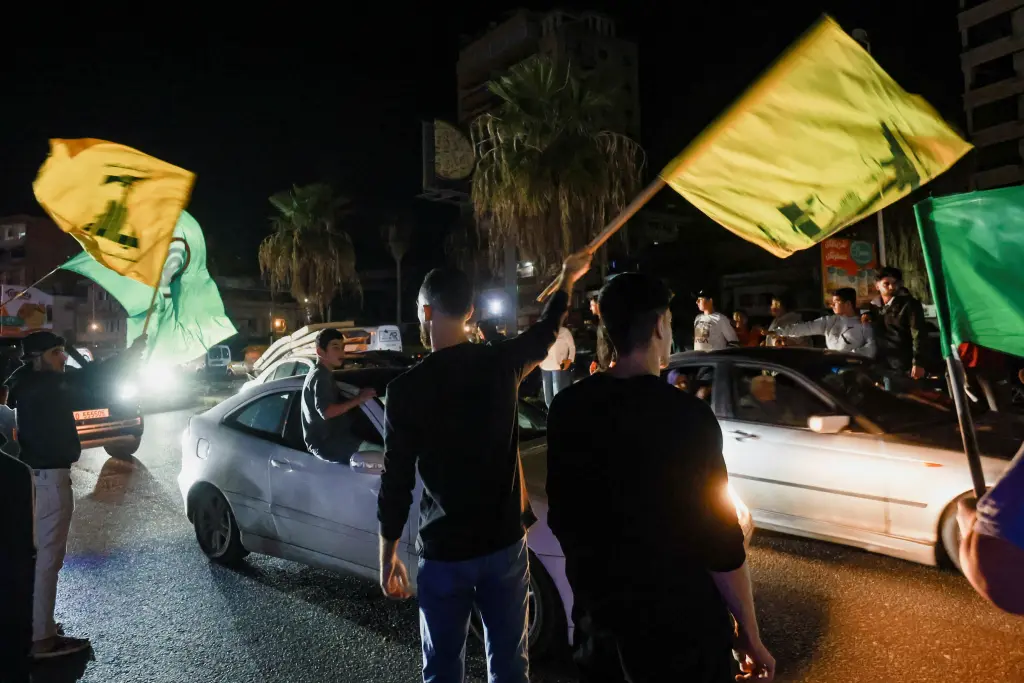
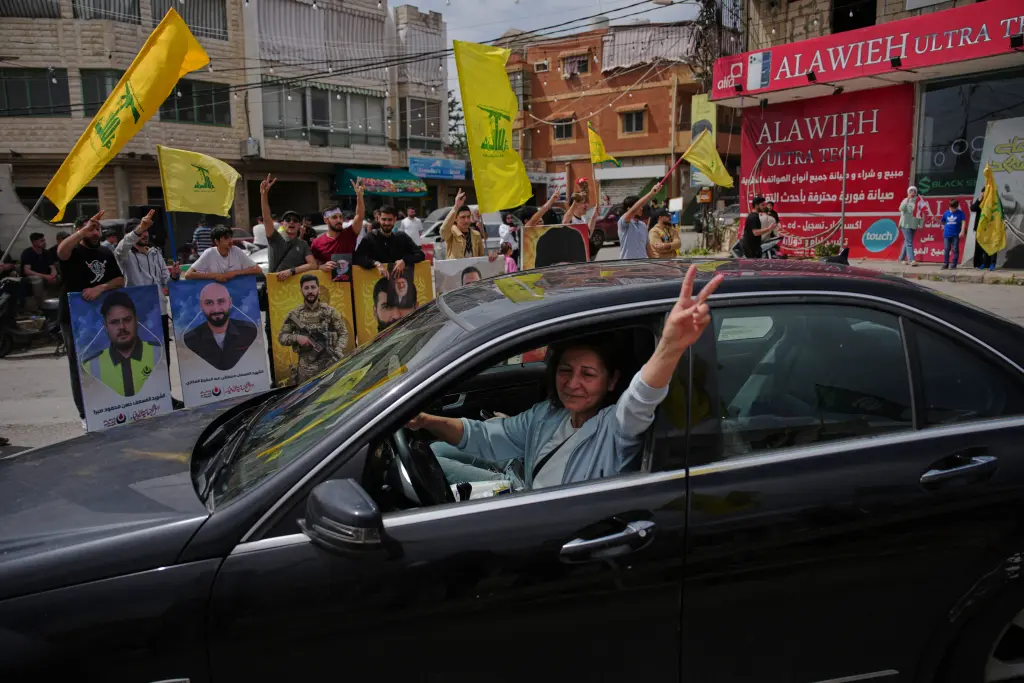
Thousands of people in Lebanon celebrated as the truce came into effect, waving Hezbollah flags and carrying portraits of the terror group’s slain leader Hassan Nasrallah. Celebratory gunfire erupted in Beirut’s southern suburbs.
But the Lebanese army warned of “a number of violations” by “several Israeli acts of aggression” and cautioned residents about returning home.
Hezbollah, for its part, said it was keeping its “finger on the trigger” in case of any Israeli violations. In a statement, the Iran‑backed movement said it had carried out “2,184 military operations” against Israel and its troops inside Lebanon.
French President Emmanuel Macron warned that the ceasefire “may already be undermined by ongoing military operations” and called for “the safety of civilians on both sides of the border”.
The Iran Connection: A Broader Diplomatic Gamble
For Trump, the stakes go beyond Lebanon. The ceasefire is part of a larger diplomatic gamble: stabilizing one front to unlock a broader deal with Iran. Iran had made it clear that progress in its talks with Washington would be difficult without a ceasefire in Lebanon.
A Middle Eastern diplomat told The Times of Israel that the US came to believe that a ceasefire in Lebanon would bolster its efforts to extend a nascent truce with Iran.
Trump said Thursday that the US and Iran are “very close” to making a deal and that talks could resume as early as this weekend. Iran’s Foreign Ministry welcomed the Lebanon ceasefire, calling it part of the earlier two‑week ceasefire understanding between Tehran and Washington, mediated by Pakistan.
What Happens Next
- 10‑day truce: The ceasefire is set to last until April 27. It may be extended by mutual agreement if negotiations progress.
- White House summit: Trump will invite Netanyahu and Aoun to the White House for peace talks within the next week or two — the first such meeting in 44 years.
- Hezbollah’s stance: The group has signaled it will likely abide by the ceasefire, but demands a “comprehensive halt” to all attacks in Lebanon and “no freedom of movement for Israeli forces”.
- Israeli security zone: Netanyahu confirmed that Israeli troops will not withdraw from southern Lebanon during the ceasefire.
FAQ: Israel-Lebanon Ceasefire
Q: When did the ceasefire begin?
A: It took effect at midnight local time (2100 GMT) on Thursday, April 16, 2026.
Q: How long will it last?
A: 10 days, but it may be extended by mutual agreement.
Q: Who brokered the deal?
A: President Trump personally pushed the ceasefire through a rapid series of calls with Netanyahu and Aoun.
Q: Will Israel withdraw its troops?
A: No. Netanyahu said Israel will maintain a 10‑km security zone in southern Lebanon.
Q: Has Hezbollah agreed to the truce?
A: The group has signaled it is likely to abide, but says it will keep its “finger on the trigger” in case of violations.
Q: What does this mean for the Iran talks?
A: Iran made progress on a broader deal conditional on a Lebanon ceasefire. The truce could accelerate US‑Iran negotiations.