
New York education officials have adopted emergency rules requiring every school district in the state to establish formal policies for handling young children’s bathroom needs – from diaper changes to potty training accidents – just as Mayor Zohran Mamdani and Governor Kathy Hochul push a massive $4.5 billion expansion of universal pre-K and child care. But the mandate has sparked a messy revolt: teachers say they aren’t janitors, nurses insist it’s not their job, and paraprofessionals are being left holding the dirty diaper.
The new “diapering and toileting” regulations, quietly approved by the state Department of Education last week, come in response to a 2024 state law aimed at setting basic hygiene standards for early childhood programs. But the emergency rules have left schools scrambling for clarity over who gets to be on “doody duty” – and whether the state will provide any additional funding to handle the inevitable accidents.
“One commenter indicated that expecting schools to potty train children is ‘unacceptable,’ stating that, unless there is a medical issue, parents should ensure children are toilet-trained before entering school,” according to a state summary of educator feedback.
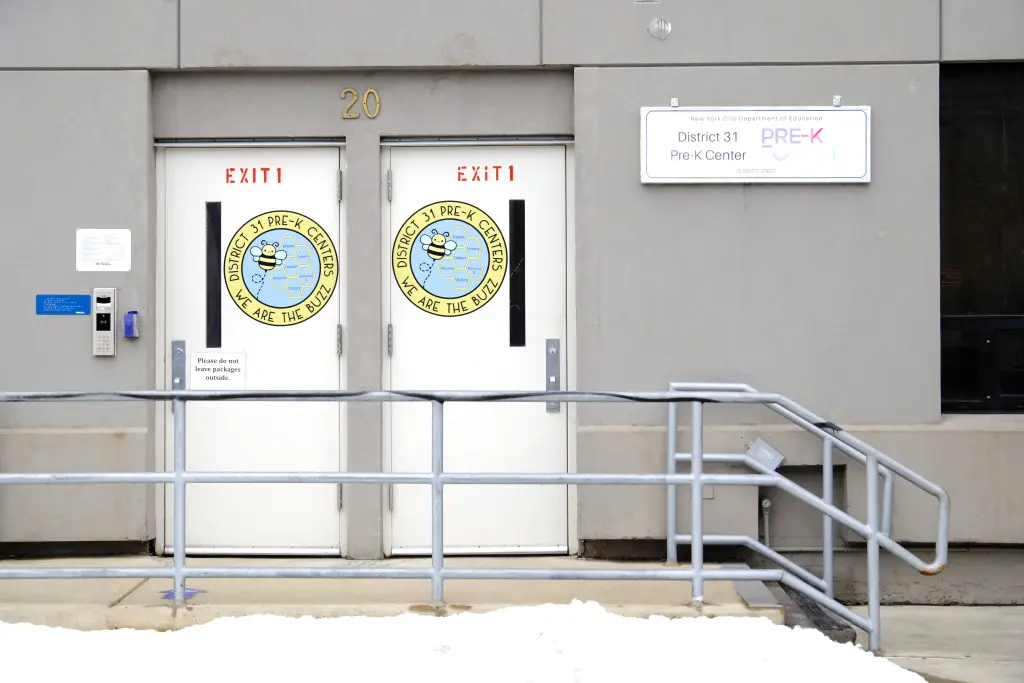
The Department of Education, however, says it lacks the authority to require toileting skills as a condition of school attendance. That means schools must be prepared to handle children of any age who are not fully potty trained – including 2‑year‑olds entering the new “2‑Care” initiative in New York City.
The Stinky Standoff: Teachers vs. Nurses vs. Aides
The rule has exposed a three‑way turf war over who changes soiled pants.
- Teachers: Many argue that their job is instruction, not intimate care. “Teachers may be stretched too thin without added support,” the state summary noted. Some pointed out that state learning standards “do not require teachers to provide toilet‑training instruction,” and that schools can support but should not replace the parental role.
- Nurses: The state nurses association has drawn a hard line. “Toileting is an activity of daily living, not a nursing function,” the summary reads. Hospital nurses, they noted, have long delegated such tasks to aides. They want the rule to explicitly exclude nurses from diaper duty.
- Paraprofessionals (School-Related Professionals): The New York State United Teachers (NYSUT) union, which pushed the original law, insists that paraprofessionals – teacher’s aides – should be responsible for diapering, changing, and cleaning up. One paraprofessional in Rochester complained that her school wanted her to change an autistic student on the floor; she only got a changing table after filing a formal complaint.
The state has punted the decision to local districts: “Decisions on how staff will provide diapering support must be made at the local level, based on local protocols, regulations, and operational needs.”
The Policy Itself: What Schools Must Do
The emergency rules require each district to adopt a written plan that includes:
- Safe and healthy environments for diapering and toileting, with age‑appropriate privacy, hygiene, and supervision.
- Annual training for all relevant staff on health and safety procedures.
- Adequate space and equipment for restrooms and diaper‑changing areas, which must be consistently maintained, cleaned, and equipped with supplies.
- No punishment or exclusion based on “toileting status.” Schools cannot suspend, expel, or exclude a student from enrollment or participation because they are not potty trained. Accidents must be handled with “sensitivity and without punishment, exclusion, or shaming.”
- IEP compliance: For students with disabilities, schools must provide the support, services, and specialized equipment required by their individualized educational program.
Notably, the Department of Education stated that no additional state funding is available to implement the new rules. Districts must absorb the costs of supplies, training, and staffing from existing budgets – a point of contention as the state simultaneously expands pre-K enrollment.
The Political Backdrop: Universal Child Care Push
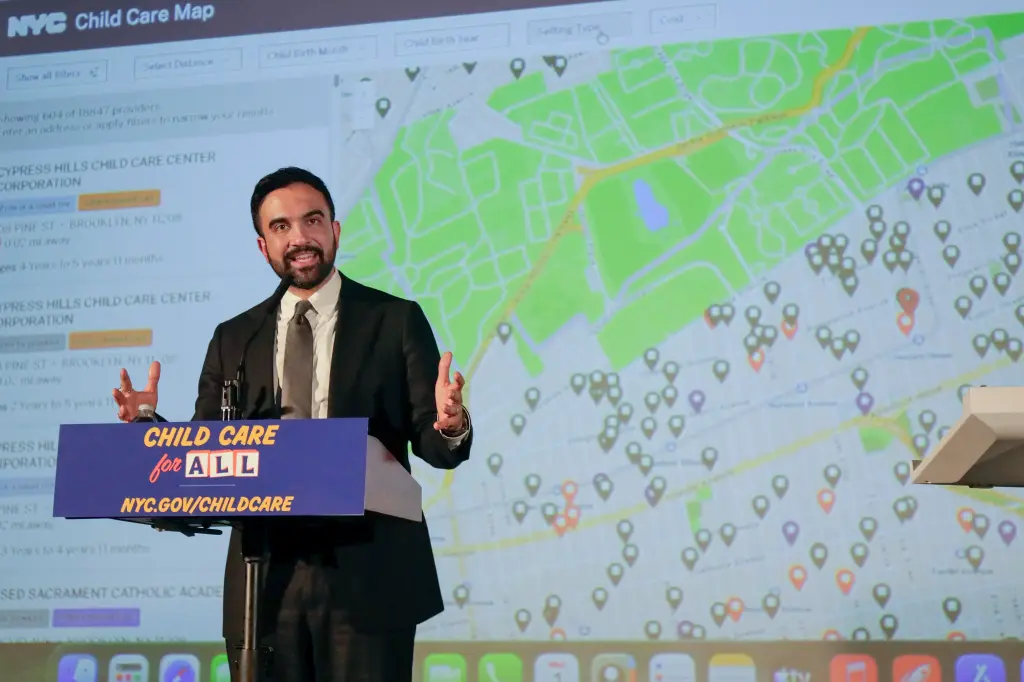
The timing is no accident. Mayor Mamdani and Governor Hochul have made universal child care a centerpiece of their agendas. The “free” universal child care proposal, carrying a $4.5 billion price tag, would bring 100,000 more children into programs across the state, including the new “2‑Care” initiative for 2‑year‑olds in New York City.
“The Department lacks the authority to require toileting skills as a condition of public school attendance,” state officials said in a Q&A with educators – effectively confirming that schools must accept children regardless of potty training status.
For working parents, especially those with very young children, the policy is a relief. But for school staff already stretched thin, it is an unfunded mandate.
Potential Legal and Practical Pitfalls
The emergency rule is expected to receive final approval from the state Board of Regents at its next meeting. But several issues remain unresolved:
- Liability: If a child is injured during a diaper change – or if a staff member is accused of misconduct – who is responsible? The rule does not address training standards beyond basic health and safety.
- Union pushback: NYSUT has supported the law, but rank‑and‑file members are divided. Some teachers have threatened to refuse diaper duty, arguing it is not in their job descriptions.
- Parental expectations: The rule does not require parents to potty train their children before enrollment. Some educators fear this will lead to a “potty training crisis” as more 2‑ and 3‑year‑olds enter programs without basic self‑care skills.
- Funding gap: With no state money earmarked, districts may have to cut other services to buy changing tables, diapers, wipes, gloves, and disposal bins. Rural districts with limited budgets could be hit hardest.
What Happens Next
- Final approval: The Board of Regents is expected to ratify the emergency rule at its next meeting, making it permanent unless challenged.
- Local policy development: Each of the state’s nearly 700 school districts must draft and adopt its own diapering and toileting plan, including designation of who will perform the duties.
- Training rollout: The Department of Education will offer guidance and model policies, but districts are responsible for implementation.
- Legislative action: Lawmakers may revisit the issue if unions or districts demand funding or clearer role definitions.
FAQ: New York’s School Diapering Rules
Q: What does the new rule require?
A: Every school district must adopt a written policy on diapering and toileting for young children, including training staff, providing adequate facilities, and ensuring no child is excluded for being not potty trained.
Q: Who has to change diapers?
A: The state leaves it to local districts to decide. Teachers, nurses, and paraprofessionals are all pushing back, but most likely the task will fall to teacher’s aides.
Q: Is there extra funding?
A: No. The state explicitly said no additional money is available.
Q: Can a school refuse to enroll a child who isn’t potty trained?
A: No. The rule prohibits exclusion based on “toileting status.”
Q: Does this apply to private and charter schools?
A: The rule applies to all public schools and any state‑funded pre‑K or child care programs. Private schools that accept state funding must also comply.
Q: Where can I find more information?
A: The New York State Department of Education website will post model policies and training materials.