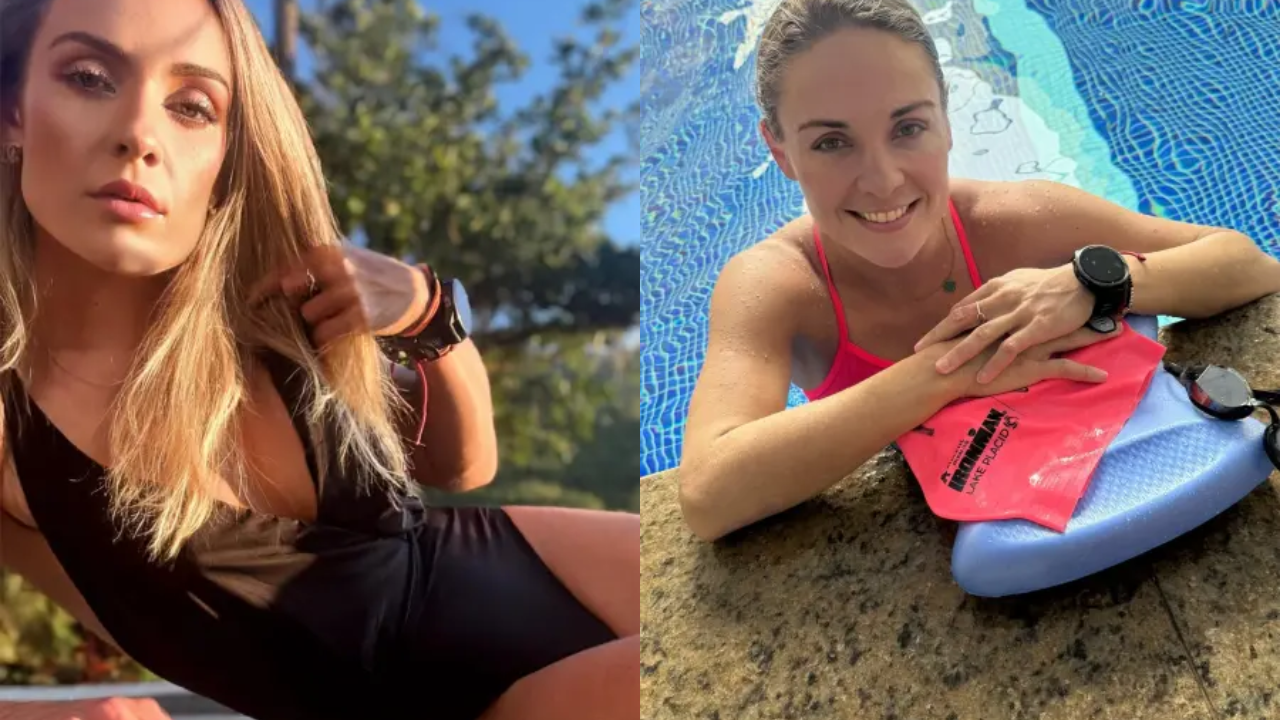
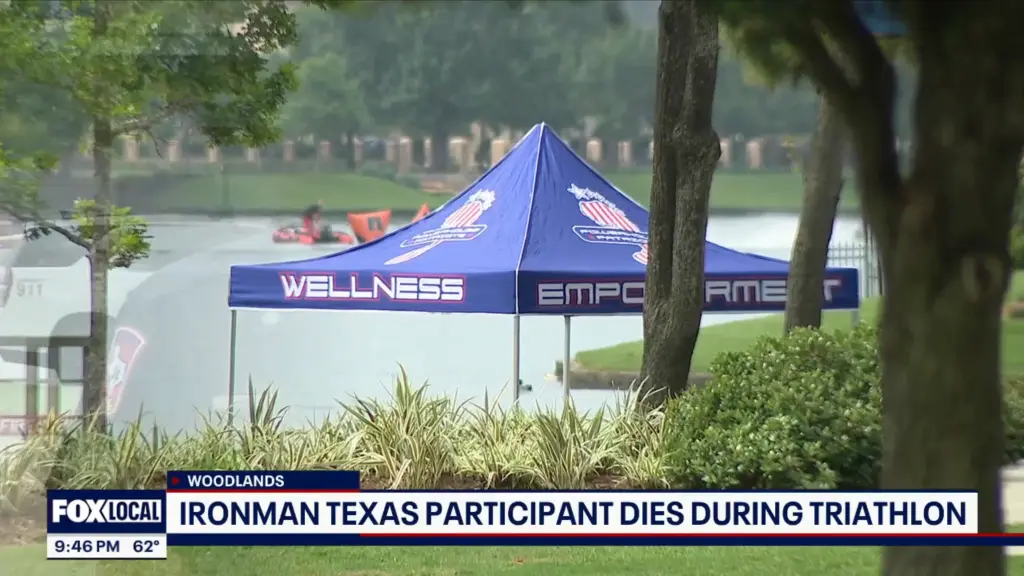
THE WOODLANDS, Texas – A 38-year-old Brazilian triathlete and social media influencer with more than 60,000 Instagram followers drowned Saturday during the swimming leg of the Ironman Texas competition, vanishing beneath the murky waters of Lake Woodlands as frantic rescuers searched for nearly three hours. A volunteer who repeatedly dove down to find her described the moment he “felt her body” with his foot – but she was already gone.
Mara Flávia, an accomplished endurance athlete who inspired thousands with her fitness journey, was competing in the 140‑mile Ironman triathlon. The pro female swim started at 6:31 a.m. local time. Shortly thereafter, calls began pouring into emergency services. A “lost swimmer” was reported around 7:30 a.m., according to Woodlands Township Fire Chief Palmer Buck.
Rescuers combed the lake while the triathlon continued – a factor Buck said created challenging conditions and left dive teams with “zero” visibility. Flávia’s body was recovered just after 9:30 a.m., roughly three hours after she disappeared. She had sunk about 10 feet to the bottom of the lake and was pronounced dead on the shore.
The Montgomery County Sheriff’s Office confirmed that the victim “drowned while participating in the swim portion of the event.” The Major Crimes unit is investigating “per normal protocols.”

The Volunteer’s Harrowing Account: ‘I Just Knew I Would Feel Her Again’
An Ironman volunteer, who had come to help his young daughter “experience this incredible event from a completely different perspective,” wrote a heartbreaking firsthand account of the rescue attempt. He said that multiple witnesses – none of whom knew Flávia personally – described the same thing: “She went under. Right here. Right below us.”
One veteran racer, he said, clung to the side of a kayak with “a thousand‑yard stare” because “he had just watched someone disappear beneath him.”
The volunteer dove into the lake repeatedly, losing count of how many times he went under. During his first attempt, he “felt her body” with one foot.
“She was gone. I don’t know how to describe what that felt like. I tried again. And again. And again. I just knew I would feel her again and could grab her and pull her up,” he wrote.
He admitted that he did not rationalize the risks he was taking until long after Flávia’s body was recovered.
“It never entered my mind that she had already passed long ago. I just kept searching like I was going to pull her up alive.”
The volunteer hailed Flávia for “chasing something most people only dream of finishing.” He added, “She showed up for it. She deserved to come out of it. To her family: we did everything we could. I am so deeply, genuinely sorry that it wasn’t enough. She will stay with me.”
The Risks of Open‑Water Swimming in Triathlons
Open‑water swimming is widely considered the most dangerous leg of a triathlon. According to a 2024 study in the British Journal of Sports Medicine, the swim portion accounts for the majority of triathlon‑related deaths. Researchers found that between 2006 and 2023, there were at least 152 deaths during sanctioned triathlon events worldwide, with 82% occurring during the swim leg.
| Triathlon Fatality Data (2006–2023) | Percentage |
|---|---|
| Swim leg deaths | 82% |
| Bike leg deaths | 12% |
| Run leg deaths | 6% |
The primary causes of swim‑leg fatalities include:
- Cardiac events (most common among older athletes)
- Drowning due to fatigue or panic (especially in colder water or rough conditions)
- Medical emergencies such as asthma or seizures
- Blunt trauma (rare) – usually from boat strikes
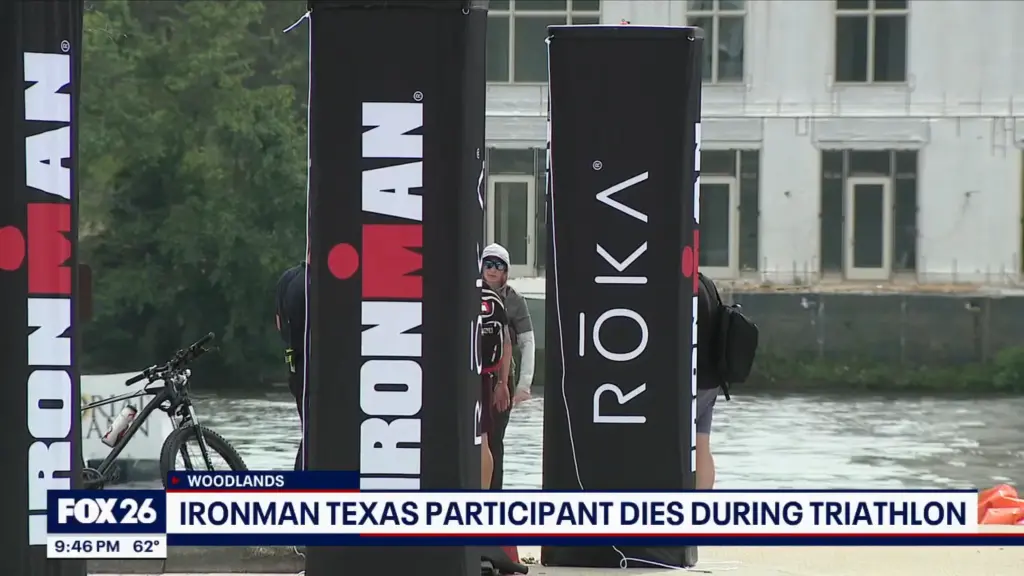
Lake Woodlands, where the Ironman Texas swim is held, is a man‑made reservoir with typical murky visibility. Open‑water conditions – including waves, currents, and the presence of hundreds of other swimmers – can lead to disorientation and distress even for experienced athletes.
“Open‑water swimming is fundamentally different from a pool,” said Dr. Julie K. Silver, a sports medicine physician at Harvard Medical School. “There are no lane lines, no walls to push off, and the water temperature can be unpredictable. Even elite triathletes can panic.”
Mara Flávia: An Inspiration to Thousands
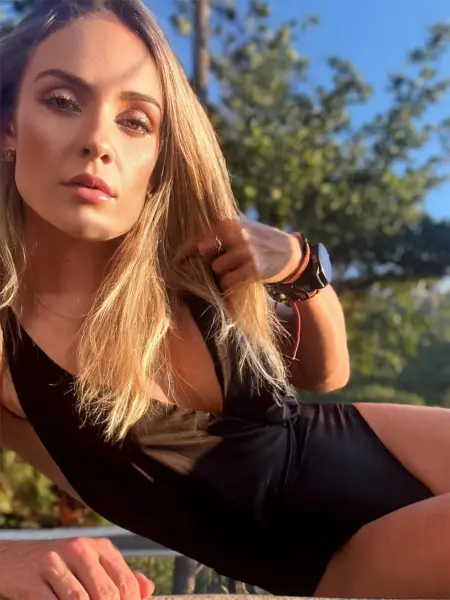
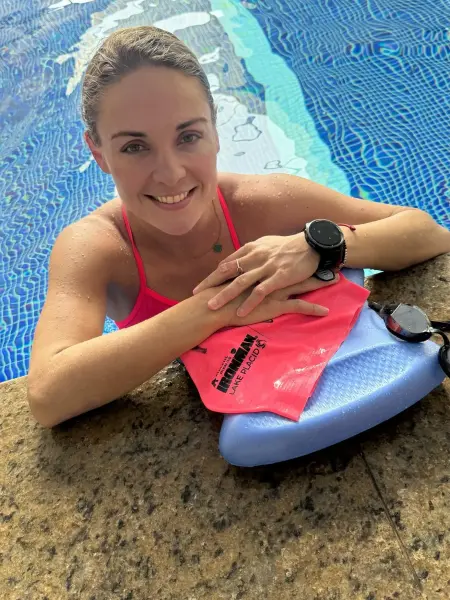
Flávia was a well‑known fitness influencer from Brazil, with more than 60,000 followers on Instagram. Her feed featured training photos, race medals, and motivational messages. She had previously completed several Ironman events and was considered an accomplished age‑group competitor.
Friends and followers flooded her social media with tributes:
“You were a warrior. You inspired so many of us to chase our dreams. Rest in peace, queen.” – @fitnessjourney
“Devastated. She was so full of life and determination. My heart goes out to her family.”
Flávia’s family has not yet spoken publicly. The Brazilian consulate has been notified.
Ironman Safety Protocols Under Scrutiny
Ironman events require participants to sign waivers acknowledging the risks, but they also provide safety measures:
- Lifeguards on kayaks, paddleboards, and boats stationed along the swim course
- Medical personnel at the finish line and at aid stations
- Mandatory safety briefings before the race
- Swim course markings and buoys to guide athletes
However, open‑water rescue is inherently difficult. In murky water with hundreds of swimmers, it can be nearly impossible to spot a submerged person in time.
Following Flávia’s death, Ironman officials issued a statement: “We are deeply saddened by the passing of one of our athletes. Our thoughts and condolences are with the family and friends during this difficult time. We are cooperating fully with local authorities.”
No changes to the race format have been announced, but advocates are calling for improved safety measures, including:
- Mandatory personal flotation devices (PFDs) for weaker swimmers
- More frequent and closer‑positioned rescue craft
- Underwater sonar or camera systems for rapid detection of submerged athletes
- Pre‑race medical screening for underlying heart conditions
What Happens Next
- Investigation: The Montgomery County Sheriff’s Major Crimes unit will complete its report. An autopsy will determine the exact cause of death.
- Race review: Ironman may conduct an internal review of its safety protocols.
- Community support: A GoFundMe campaign has been organized to assist Flávia’s family with funeral and travel expenses.
- Memorial: Fellow triathletes are planning a tribute swim at Lake Woodlands.
FAQ: Triathlete Drowning at Ironman Texas
Q: Who was Mara Flávia?
A: A 38‑year‑old Brazilian triathlete and fitness influencer with over 60,000 Instagram followers.
Q: What happened to her?
A: She drowned during the 2.4‑mile open‑water swim at the Ironman Texas competition in The Woodlands.
Q: Was she a strong swimmer?
A: She was an experienced triathlete who had completed multiple Ironman events. However, open‑water conditions can be unpredictable.
Q: Did rescuers find her quickly?
A: She was reported missing around 7:30 a.m. and was recovered just after 9:30 a.m., having sunk 10 feet to the bottom of the lake.
Q: What did the volunteer say?
A: He dove repeatedly, felt her body with his foot, and kept searching even after realizing she was gone. He wrote, “She will stay with me.”
Q: Are triathlon swims dangerous?
A: Yes. The swim leg accounts for more than 80% of triathlon‑related deaths, often due to cardiac events or panic.