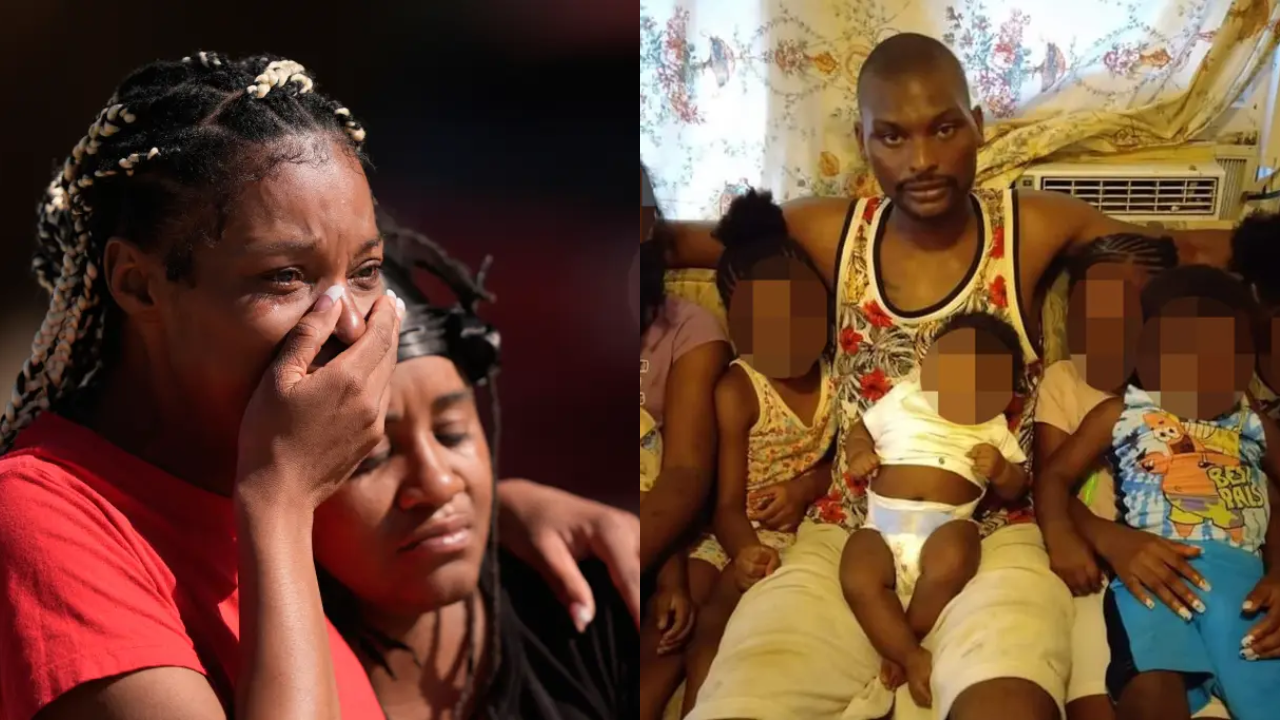
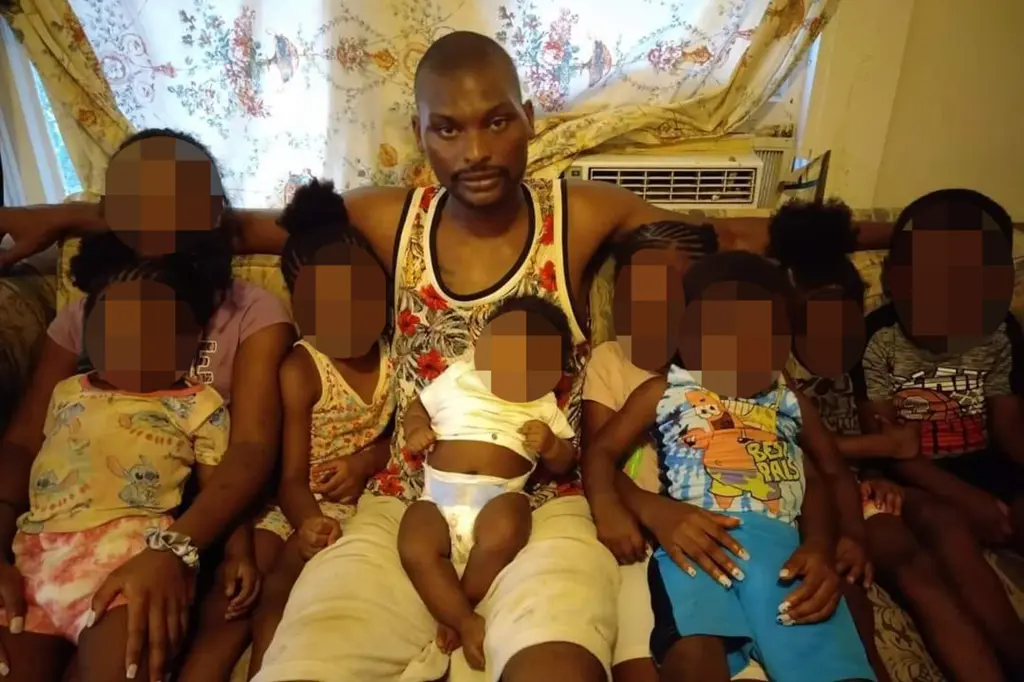
SHREVEPORT, La. – Just weeks before he executed eight children – seven of them his own – Army veteran Shamar Elkins told his stepfather he was drowning in “dark thoughts” and chillingly warned that “some people don’t come back from their demons.” The 31-year-old UPS worker and former National Guard soldier then carried out one of the deadliest familicide massacres in recent U.S. history, shooting most of the victims in the head while they slept, police said.
Elkins’ stepfather, Marcus Jackson, told the New York Times that on Easter Sunday, just two weeks before the April 19 massacre, Elkins called his mother, Mahelia Elkins, and Jackson to say he wanted to end his life and that his wife, Shaneiqua Pugh, wanted a divorce.
“I told him, ‘You can beat stuff, man. I don’t care what you’re going through, you can beat it,’” Jackson recalled. “Then I remember him telling me: ‘Some people don’t come back from their demons.’”
Mahelia Elkins said she was unclear what problems her son and his wife were dealing with. But a relative of one of the wounded women told the Associated Press that the couple was in the middle of separation proceedings and was due in court on Monday – the day after the shooting.
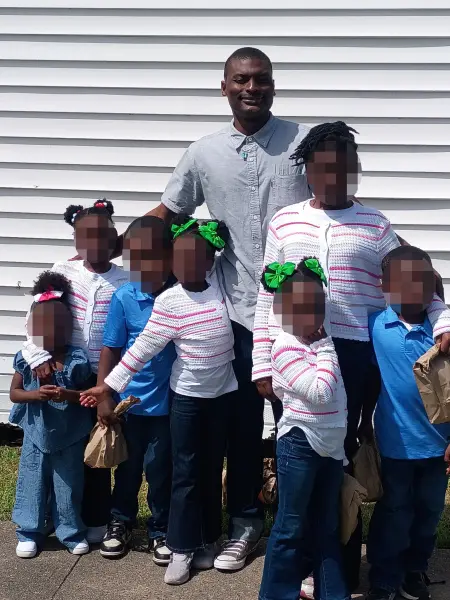
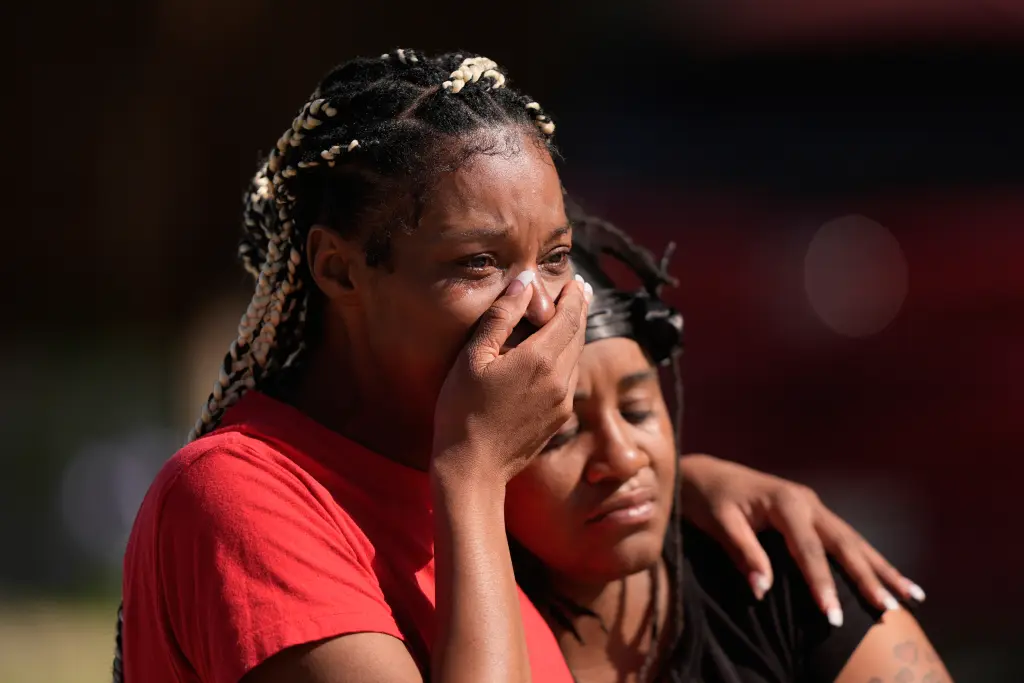
The Massacre: A Pre‑Dawn Rampage Across Three Homes
Around 6 a.m. Sunday, following an argument with his wife, Elkins drove to at least three residences in Shreveport, systematically shooting children and two women. The victims ranged in age from 3 to 11.
| Name | Age | Relationship to Shooter |
|---|---|---|
| Jayla Elkins | 3 | Daughter |
| Shayla Elkins | 5 | Daughter |
| Kayla Pugh | 6 | Daughter |
| Layla Pugh | 7 | Daughter |
| Markaydon Pugh | 10 | Son |
| Sariahh Snow | 11 | Daughter |
| Khedarrion Snow | 6 | Son |
| Braylon Snow | 5 | Son |
Seven of the eight were his own children; the eighth was a cousin. Most were shot in the head while they slept, Shreveport Police Department spokesman Christopher Bordelon told NBC News. One child was found dead on the roof after trying to escape.
Elkins also shot two women – the mothers of his children. He shot his wife in the face at the home where the children were killed. The other injured woman, believed to be his girlfriend, was shot at a separate house nearby.
After the shootings, Elkins carjacked a vehicle and led police on a chase into neighboring Bossier City, where he was killed in an exchange of gunfire.
Warning Signs: A History of Violence and Mental Distress
Elkins’ spiral was not without precedent. Court records show two prior convictions:
- 2016: Driving while intoxicated.
- 2019: Illegal use of weapons. In that incident, Elkins pulled a 9mm handgun from his waistband and fired five shots at a vehicle after a driver pulled a gun on him. One bullet was discovered near a school where children were playing.
A UPS coworker described Elkins as a devoted father but said he often seemed stressed and would pull his hair out, creating a lasting bald spot.
His mother, Mahelia Elkins, had left him to be raised by a family friend, Betty Walker, when she was a teenager struggling with crack cocaine addiction. Walker said she reconnected with Elkins more than a decade ago and had dinner with his family just last weekend – and he did not appear off at the time.
“I was getting up this morning to make myself some coffee, and I got the call,” Walker told the Times. “My babies – my babies are gone.”
Military Service and the Question of PTSD
Elkins served in the Louisiana Army National Guard from August 2013 to August 2020 as a signal support system specialist and fire support specialist. He was not deployed to a combat zone, according to military records cited by the Times. Nevertheless, advocates note that even non‑combat military service can be associated with mental health challenges, including depression, anxiety, and substance abuse.
A 2025 study by the RAND Corporation found that National Guard members have higher rates of suicidal ideation and interpersonal violence than active‑duty personnel, in part due to the difficulty of accessing mental health care while transitioning between civilian and military life.
“The Guard and Reserve populations are often overlooked in military mental health discussions,” said Dr. Rajeev Ramchand, a RAND senior behavioral scientist. “They may not have the same access to services as active‑duty members, yet they face many of the same stressors.”
Louisiana has one of the highest rates of veteran suicide in the nation, according to the U.S. Department of Veterans Affairs. The state also lacks a red‑flag law that would allow family members or police to temporarily remove firearms from an individual deemed dangerous.
Familicide: A Rare but Catastrophic Crime
The murder of one’s own children – known as familicide – occurs in approximately 150–200 cases annually in the United States. According to the U.S. Department of Justice:
- In 90% of cases, the perpetrator is male.
- Common motives include domestic conflict, separation, financial stress, and severe mental illness.
- Firearms are used in the majority of cases.
Veterans are overrepresented in familicide statistics. A 2023 University of Southern California study found that 15% of familicide perpetrators had prior military service – roughly twice their proportion of the general adult population.
“When a veteran with untreated PTSD or other mental health conditions faces a domestic crisis, the risk of catastrophic violence – including against children – rises dramatically,” said Dr. Rachel Sullivan, a forensic psychologist.
The Aftermath: A Community in Mourning
The Caddo Parish Coroner’s Office has confirmed autopsies will be performed on all eight children. Grief counselors have been dispatched to local schools. A makeshift memorial of stuffed animals, candles, and balloons has appeared outside the main crime scene on West 79th Street.
Louisiana Gov. Jeff Landry issued a statement: “This is an unspeakable tragedy. Our hearts break for the innocent children whose lives were cut short by senseless violence.”
President Trump was briefed on the massacre and offered federal assistance.
What Happens Next
- Investigations: The Caddo Parish Sheriff’s Office, Shreveport PD, and Louisiana State Police are leading the investigation. Autopsies will determine the exact cause of death.
- Police shooting review: The officer‑involved shooting of Elkins will be reviewed by the Louisiana State Police and the district attorney’s office.
- Family support: The surviving women are receiving medical care. Child welfare services have been activated.
- Community vigils: Multiple vigils are planned in Shreveport over the coming week.
FAQ: Shreveport Massacre
Q: How many children were killed?
A: Eight children, ages 3 to 11. Seven were the shooter’s biological children; one was a cousin.
Q: How were they killed?
A: Most were shot in the head while sleeping. One child was killed on the roof while trying to escape.
Q: Who was the shooter?
A: Shamar Elkins, 31, an Army National Guard veteran and UPS employee. He was killed by police after a carjacking and pursuit.
Q: Were there warning signs?
A: Yes. He told family he was having “dark thoughts” and wanted to end his life. He had prior convictions for DWI and illegal use of weapons. A coworker said he pulled out his hair from stress.
Q: What charges would he have faced?
A: Eight counts of first‑degree murder, aggravated assault, and domestic violence charges. He was killed before any arrest could be made.
Q: Where can I get help if I am in a domestic violence situation?
A: Call the National Domestic Violence Hotline at 1‑800‑799‑7233 or text “START” to 88788. Veterans in crisis can call the Veterans Crisis Line at 988, then press 1.