With just hours remaining before a fragile two‑week ceasefire between the United States and Iran expires, Tehran has threatened to reveal “new cards on the battlefield,” while President Donald Trump has warned that “lots of bombs start going off” if the truce is not extended and a peace deal is not reached. The escalating war of words comes as the clock ticks toward a Wednesday night deadline, with both sides digging in on their red lines and diplomatic efforts in Pakistan hanging in the balance.
Mohammad‑Bagher Ghalibaf, Iran’s parliamentary speaker and chief negotiator, wrote on X Monday that Tehran “does not accept negotiations under the shadow of threats” and that over the past two weeks Iran has “prepared to reveal new cards on the battlefield.” Ghalibaf accused the Trump administration of violating the ceasefire and trying to turn the negotiating table into a “table of surrender.”
President Trump responded in kind, telling PBS News Monday morning that if the ceasefire expires without an agreement, “then lots of bombs start going off.” He reiterated that Iran must not be allowed to develop a nuclear weapon, warning that he could “blow up every single power plant and bridge in Iran” if no deal is signed.
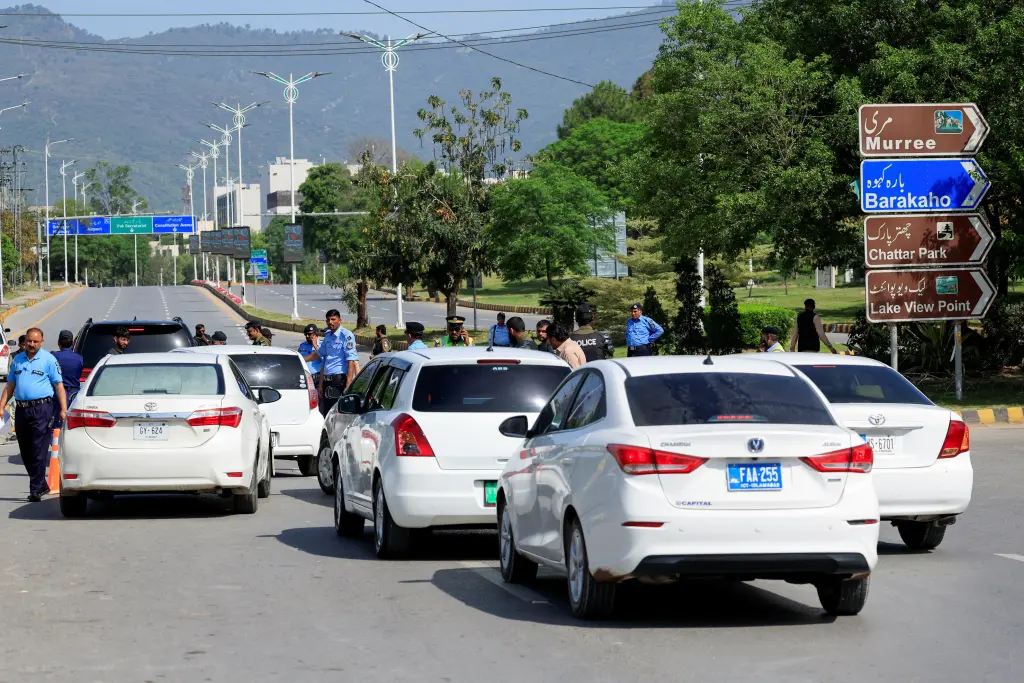
The Ceasefire Clock: Hours Left, Little Hope for Extension
The two‑week truce, which took effect on April 8 after intense U.S.‑mediated negotiations, is set to expire Wednesday evening Washington time. Trump has already declared it “highly unlikely” that he would extend the ceasefire if no agreement is reached.
Despite the urgency, neither side has committed to a second round of talks in Islamabad. A U.S. delegation led by Vice President JD Vance is already in Pakistan, but Iran has sent mixed signals. Foreign Ministry spokesman Esmaeil Baqaei told AFP that “we have no plans for the next round of negotiation, and no decision has been made in this regard.” At the same time, regional officials have told media that both sides have signaled they will attend, and Pakistan has stepped up efforts to keep the dialogue on track.
| Key Dates | Event |
|---|---|
| April 8, 2026 | Two‑week ceasefire takes effect |
| April 11, 2026 | First round of talks in Islamabad (21 hours, no agreement) |
| April 19, 2026 | USS Spruance seizes Iranian cargo ship Touska |
| April 20, 2026 | Iran attacks U.S. vessels with drones in retaliation |
| April 21, 2026 | Ghalibaf threatens “new cards”; Trump warns “lots of bombs” |
| April 22, 2026 (Wednesday) | Ceasefire expiration deadline |
‘New Cards on the Battlefield’: What Could Iran Unveil?
Ghalibaf’s threat to reveal “new cards” has fueled speculation about Tehran’s next move. Potential options include:
- Unannounced military capabilities – Iran has claimed its forces neutralized 180 drones and targeted a U.S. F‑35 stealth fighter jet, suggesting new air defense or drone technologies.
- Escalation in the Strait of Hormuz – Iran has already re‑closed the waterway and attacked at least three commercial vessels. Tehran could deploy new mines, fast‑attack boats, or anti‑ship missiles.
- Nuclear brinkmanship – Iran currently possesses approximately 440 kilograms of uranium enriched to 60% , just below weapons grade. It could enrich further to 90% or threaten to withdraw from the Non‑Proliferation Treaty.
- Proxy warfare – Iran could unleash its network of militias in Iraq, Syria, Lebanon, and Yemen to attack U.S. forces and allies.
Tehran has also drawn clear “red lines,” ruling out dismantling its uranium enrichment program entirely and demanding the release of an estimated $30 billion in frozen oil and gas revenues as part of any deal.
Trump’s ‘Lots of Bombs’ Ultimatum
Trump’s warning to “blow up every single power plant and bridge in Iran” represents a significant escalation in rhetoric. The president has also insisted that Iran must hand over its stockpile of highly enriched uranium – a demand Tehran has rejected outright.
On Monday, Trump told Bloomberg that the ceasefire would end “Wednesday evening Washington time.” When asked whether he would extend the truce without a deal, he replied: “I don’t have that much time.”
However, despite the hardline stance, Trump also told The Post he “will not be rushed” into ending the conflict. “I have only been in this for five weeks. I will not be rushed,” he said.
The war, dubbed “Operation Epic Fury,” is now in its 53rd day – despite Trump previously claiming he expected it to last “four weeks or so.”
Naval Confrontation: The Touska Seizure and Drone Attacks
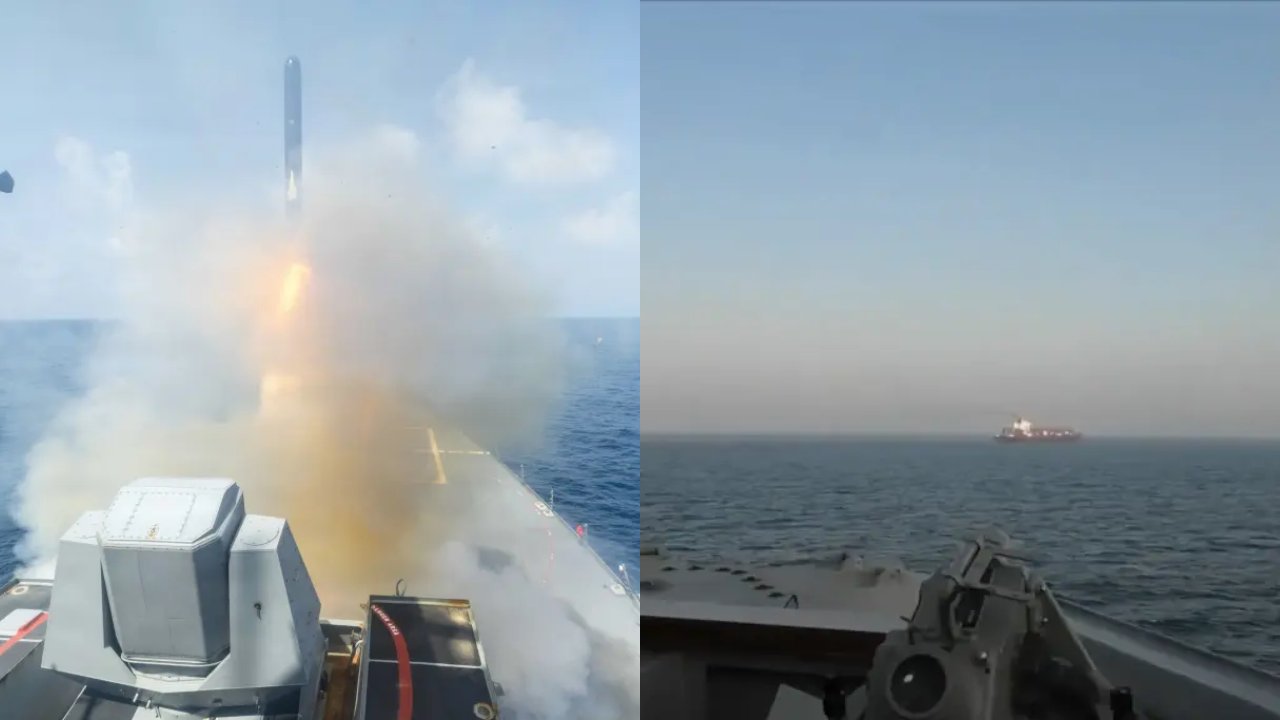
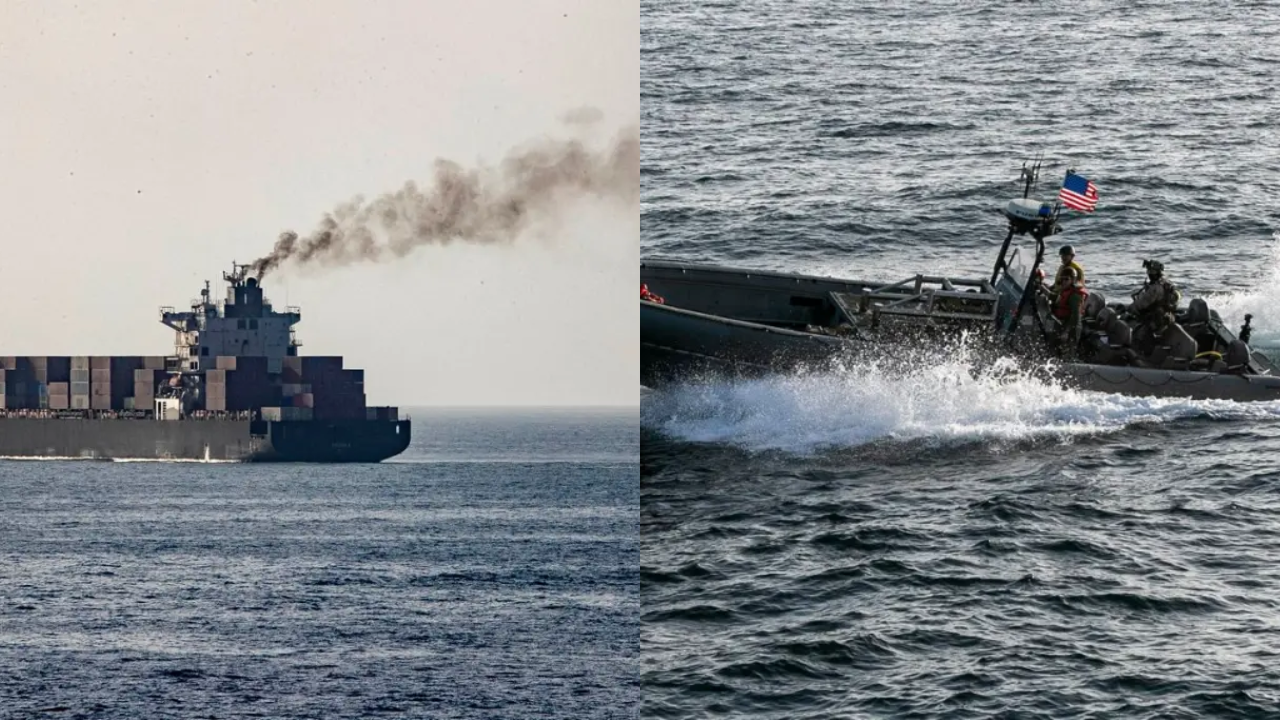
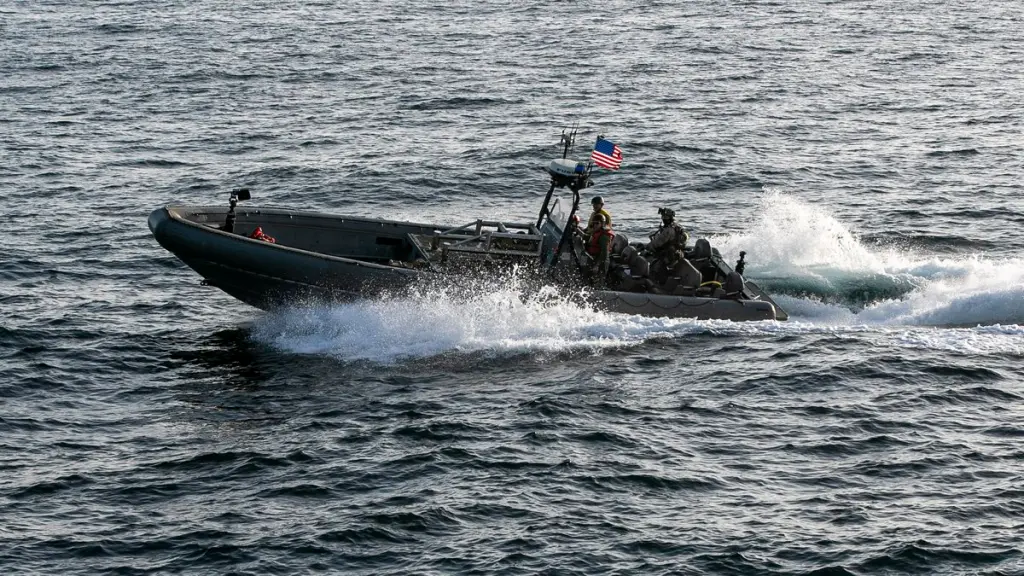
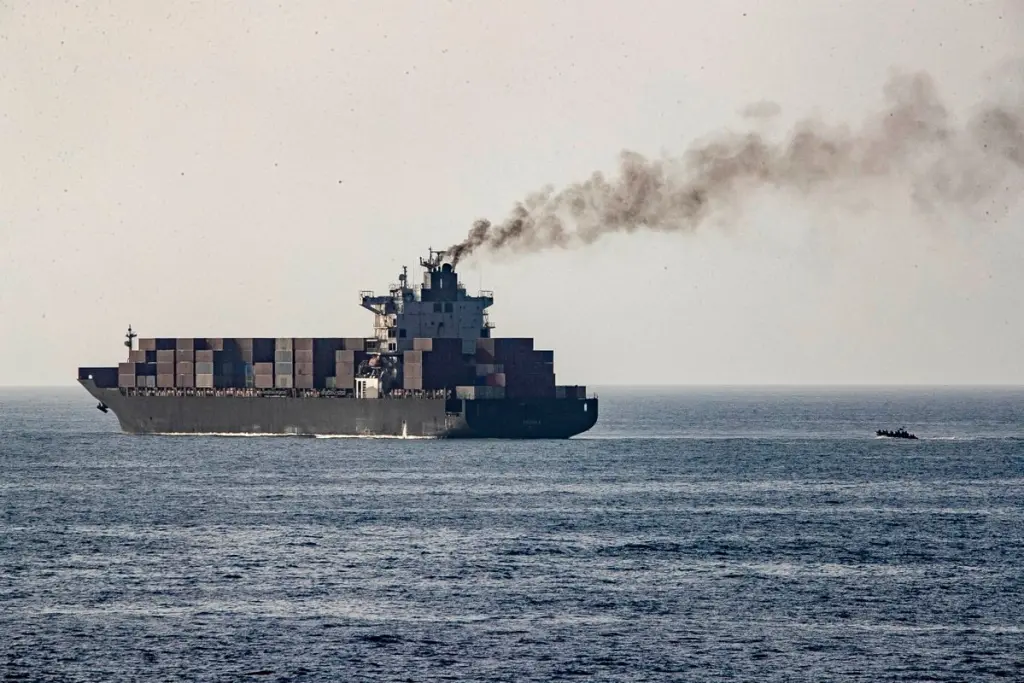
Tensions at sea have escalated dramatically. On Sunday, the USS Spruance, a San Diego‑based destroyer, intercepted and seized the Iranian‑flagged cargo ship Touska in the Gulf of Oman after it ignored warnings to stop. President Trump announced the seizure on Truth Social, noting that the vessel was under U.S. Treasury sanctions for prior illegal activity.
In retaliation, Iran launched drones against American vessels. An Iranian military spokesman said U.S. forces opened fire on the Touska before boarding it, and Tehran’s attack was a direct response. Iran’s Foreign Ministry has condemned the seizure and called for the ship’s immediate release.
The incident has further complicated diplomatic efforts, with Ghalibaf accusing Washington of violating the ceasefire and using the blockade to pressure Tehran.
Congressional Showdown: War Powers Resolution Fails
As the crisis deepens, Congress has been unable to rein in the president’s war powers. Last week, the House of Representatives voted 213‑214 to reject a resolution that would have required Trump to withdraw forces from Iran unless Congress authorized military action. Kentucky Republican Thomas Massie was the only GOP member to cross party lines and vote for the measure.
The War Powers Resolution of 1973, which the White House argues is unconstitutional, requires congressional approval for conflicts lasting longer than 60 days. The war is now in its 53rd day, meaning Trump could soon exceed that limit.
Senate Minority Leader Chuck Schumer has vowed to force weekly votes on a war powers resolution until the conflict ends. “Tomorrow, Senate Republicans will force a fifth vote on our war powers resolution. We will continue to force votes on our resolution every single week that Trump’s war continues,” Schumer said.
Nuclear Red Lines: Enriched Uranium and the ‘10+10’ Proposal
At the heart of the standoff is Iran’s nuclear program. The 2015 Joint Comprehensive Plan of Action (JCPOA) limited Iran’s uranium enrichment to 3.67% and restricted its stockpile to below 300 kilograms. Today, Iran has roughly 440 kilograms of uranium enriched to 60% – a level just one technical step away from weapons grade.
Trump has demanded that Iran not only halt enrichment but also turn over its entire stockpile of highly enriched uranium to the United States – a non‑starter for Tehran. Iranian officials have stated that the transfer of enriched uranium has “never been raised in the negotiations.”
Tehran has reportedly proposed a “10+10” plan, offering to suspend high‑level enrichment and dilute its 60% stockpile, but it refuses to dismantle its enrichment program entirely. Iran has also demanded the release of frozen assets and a lifting of sanctions as part of any deal.
What Happens Next
- Ceasefire expiration: The truce ends Wednesday evening Washington time. Without an extension or a deal, hostilities are expected to resume.
- Possible second round of talks: Pakistan is pressing both sides to return to Islamabad. However, Iran has not confirmed its participation.
- Military escalation: Iran could unveil its “new cards,” while Trump has threatened to bomb Iranian infrastructure.
- Congressional action: Schumer plans weekly war powers votes, but the Republican‑led House has consistently backed the president.
FAQ: Iran‑US Ceasefire Crisis
Q: When does the ceasefire expire?
A: Wednesday evening, April 22, 2026, Washington time.
Q: What did Iran’s parliamentary speaker say?
A: Mohammad‑Bagher Ghalibaf said Iran does not accept “negotiations under the shadow of threats” and has prepared to “reveal new cards on the battlefield” if fighting resumes.
Q: What did President Trump say?
A: Trump warned that “lots of bombs start going off” if no deal is reached and that he could “blow up every single power plant and bridge in Iran.”
Q: What happened with the Iranian cargo ship Touska?
A: The USS Spruance seized the vessel in the Gulf of Oman after it ignored warnings to stop. Iran retaliated with drone attacks on U.S. vessels.
Q: What is the status of Iran’s nuclear program?
A: Iran has approximately 440 kilograms of uranium enriched to 60%, just below weapons grade. Trump demands Iran turn over the stockpile; Tehran refuses.
Q: Has Congress authorized the war?
A: No. The House rejected a war powers resolution 213‑214 last week. The War Powers Resolution of 1973 requires congressional approval after 60 days, but the White House argues it is unconstitutional.