Rachel Goldberg-Polin, the American-Israeli mother of Hersh Goldberg-Polin, who was abducted from the Nova music festival on Oct. 7, 2023, and executed by Hamas after nearly 11 months in captivity, has revealed the harrowing details of her son’s last day – including her desperate climb onto a platform overlooking Gaza to scream his name, a sound she compared to a “wounded animal.” In her new memoir, “When We See You Again” (Random House), she writes that she believes he heard her before his captors riddled him with six bullets at close range.
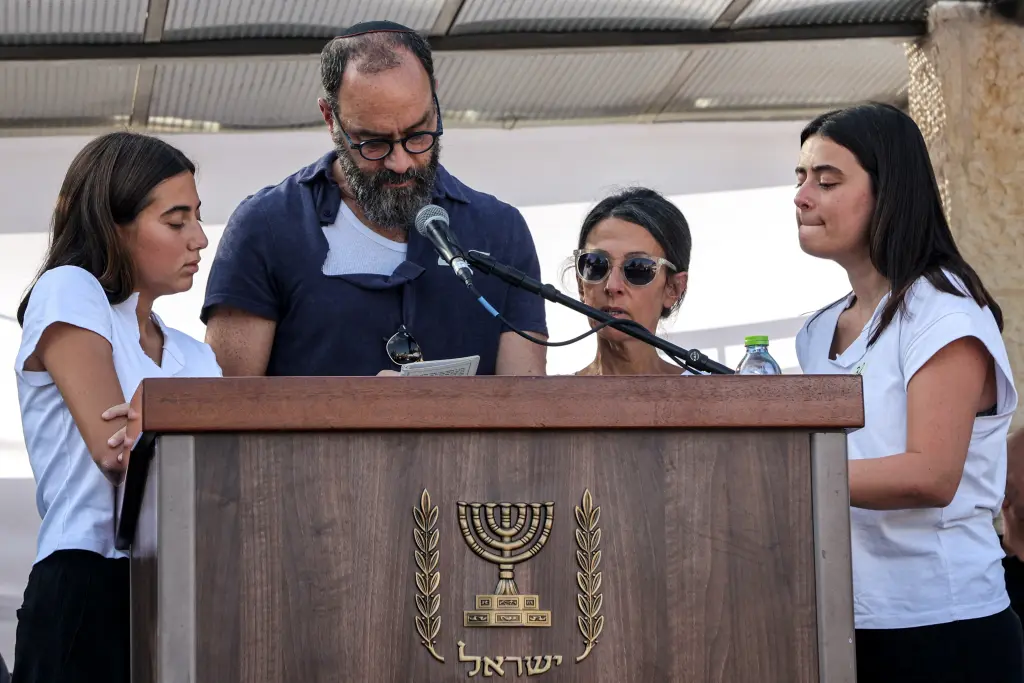
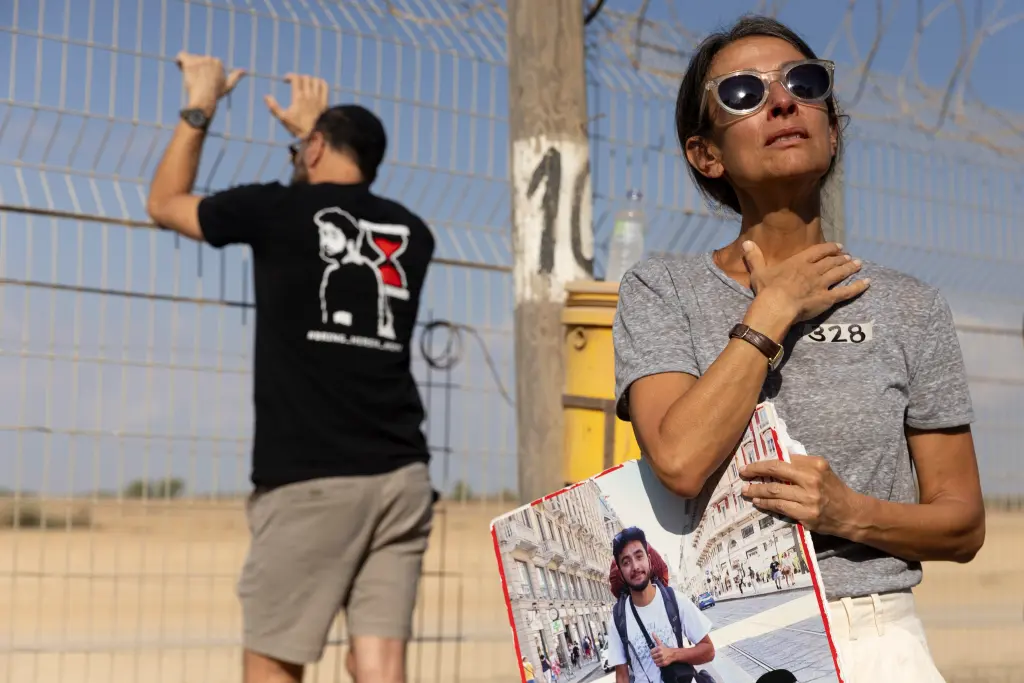
For 328 days, Rachel couldn’t bring herself to visit the last place where her son knew freedom. But on Aug. 30, 2024 – the day he was killed – she pushed herself despite feeling “physically, mentally and spiritually” sick. Surrounded by other hostage families, she climbed onto a platform she calls the “gallows” and, with a megaphone directed toward Gaza, yelled her son’s name.
“When I screamed Hersh’s name, there was a cameraman in front of me who burst into tears,” Rachel told The Post.
She had hoped he might hear her from the tunnels deep under Gaza. Only hours later, Hersh was executed along with five other hostages – the “Beautiful Six.” He was shot at such close range that his hair was dyed with gunpowder.
“I think it is providence,” Rachel said. “I would have felt so terrible had I not gone and found out that he was killed because maybe he heard me … I think he heard me.”


The Day Everything Changed: Oct. 7, 2023
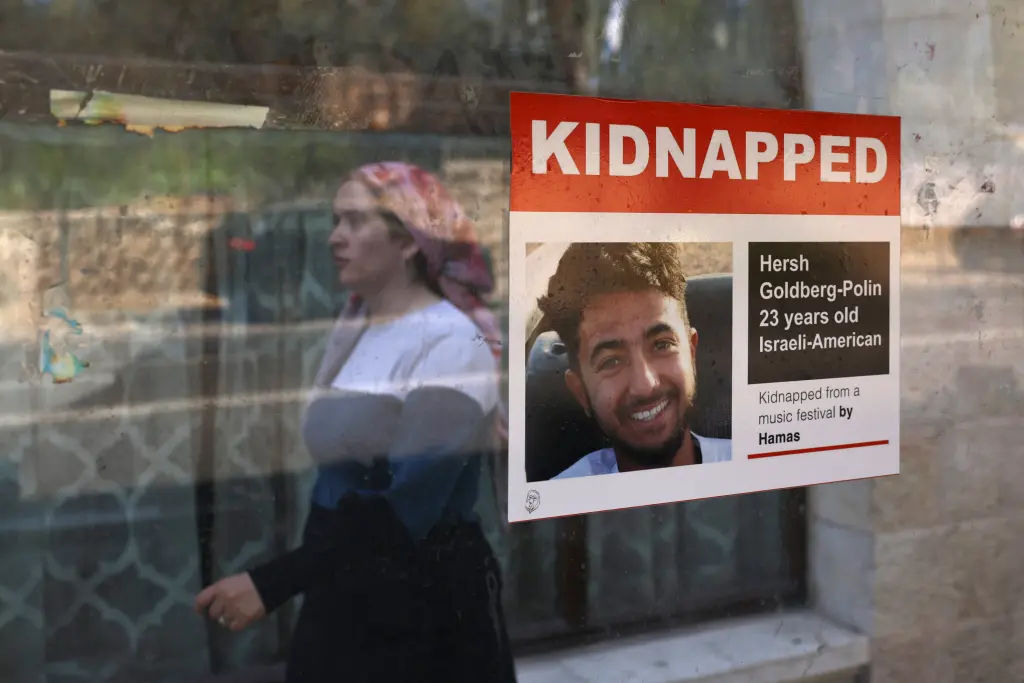
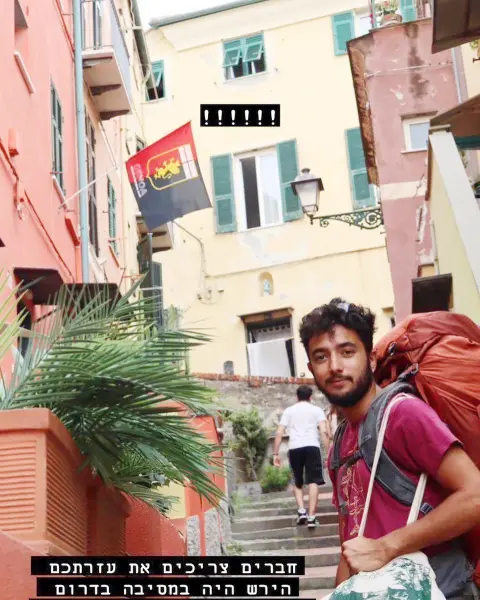
Hersh Goldberg-Polin, 23 at the time of his abduction, had finished his IDF service six months earlier. He was working as a medic and waiting tables, saving for a one-way ticket to India scheduled for December 2023. On the night of Oct. 6, he left home with his best friend, Aner Shapira, telling his mom he was leaving his book behind because “I’m only going for one night.”
The next morning, Rachel – who doesn’t normally use her phone on Shabbat – opened it to find two texts from Hersh: one reading “I love you,” immediately followed by “I’m sorry.”
“My throat fell on the floor,” she writes.
The early-morning cross-border attack, which began at 6:29 a.m., had spurred Hersh, Shapira, and more than two dozen other young adults to take refuge in a tiny roadside bomb shelter near the Nova festival. Hamas fighters lobbed grenade after grenade into the shelter. One blew off Hersh’s left arm, leaving jagged bone protruding. Shapira heroically managed to throw seven grenades away from the group before an eighth exploded in his hand, killing him.
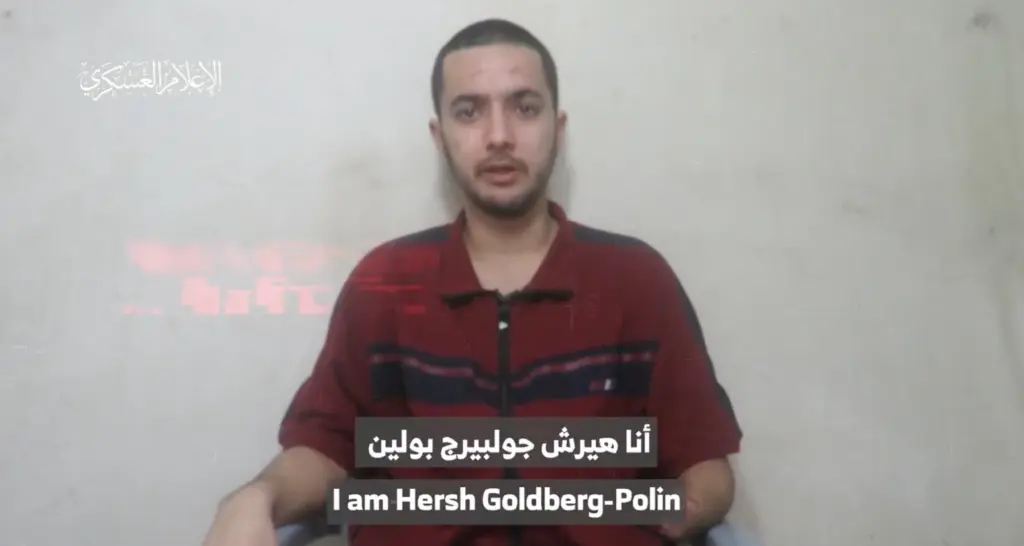
Hersh, along with three other wounded men, was tossed into the back of a truck and whisked away to tunnels 66 feet beneath Gaza. He received no medical treatment for three days and nearly bled to death – yet, against all odds, he survived.
The ‘Beautiful Six’: Execution in the Tunnels
On Aug. 31, 2024, the bodies of six hostages were recovered from a tunnel in Rafah. They became known as the “Beautiful Six” – Hersh Goldberg-Polin, Eden Yerushalmi, Ori Danino, Alex Lubnov, Carmel Gat, and Almog Sarusi. All had been shot at close range. The IDF determined they were killed by their captors just hours before Israeli forces reached them.
Hersh was shot six times. The gunpowder residue in his hair indicated the shots were fired from extremely close range.
Rachel learned of his death while still on the platform. She writes: “I buried my son and myself.”
A Mantra of Hope: ‘He Who Has a Why Can Bear Any How’
In the tunnels, despite his own catastrophic injuries, Hersh became a source of strength for fellow hostages. He adopted a riff on a quote from Holocaust survivor Viktor Frankl: “He who has a ‘why’ can bear any ‘how.’”
Freed hostage Or Levy, who was held for 491 days, told Rachel that Hersh repeated that line to everyone – whether they were dealing with pain from torture, starvation, or just missing their loved ones. Today, Levy bears a tattoo with Hersh’s mantra. When his young son asked what it means, Levy told him: “It means you.”
When Rachel asked Levy what Hersh’s “why” was, he looked at her like she was crazy. “It was you,” he said.
‘Hope Is Mandatory’: A Mother’s Enduring Message
Since Hersh’s death, Rachel’s grief has been “steadfast, in the worst way.” She describes it as “sitting in the fluorescently lit waiting room filled with vinyl couches and outdated magazines. With a dusty plastic plant in the corner that somehow has an errant fake leaf on the floor next to it.”
Yet she refuses to surrender to despair.
“I feel that grief is a privilege because it means that you love someone who’s not here anymore,” she told The Post.
Throughout the 11 months of captivity, Rachel lived by her own words: “Hope is mandatory.” Even after everything, she said, “It’s a commandment to be hopeful.”
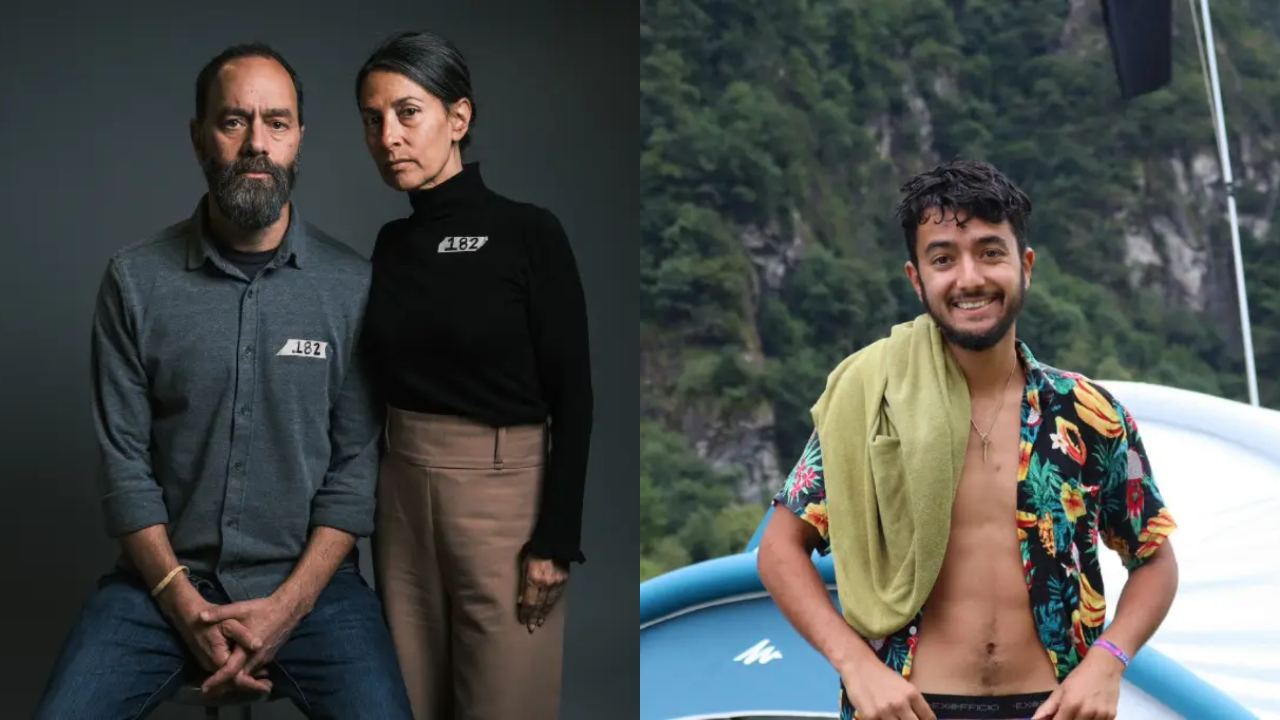
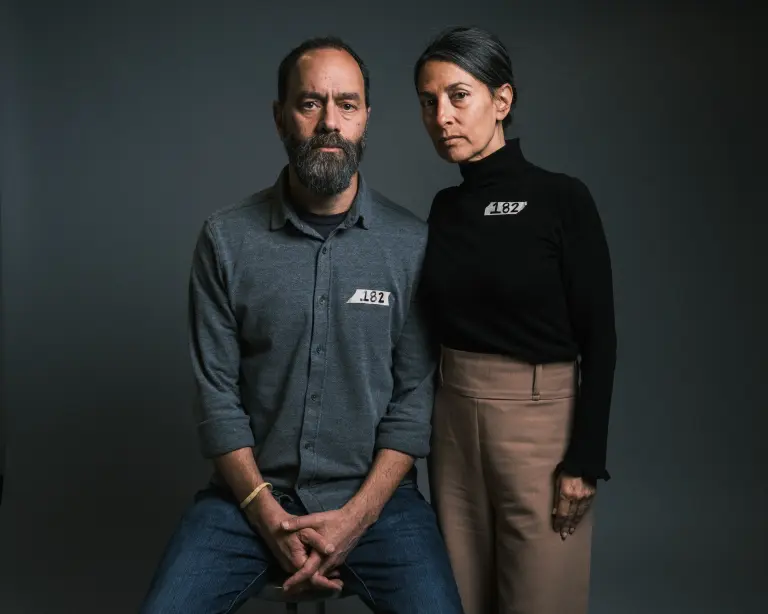
She and her husband, Jon Polin, became internationally recognized faces of the hostage crisis, wearing numbered masking tape each day to mark the days their son was held. Those pieces of tape have now been gathered into a ball – one she can’t bring herself to throw away – resting in Hersh’s old bedroom in Jerusalem.
On his nightstand is the Dalai Lama’s “The Art of Happiness,” forever bookmarked in chapter 6. Normally never without a book, he had left it behind on Oct. 6, 2023, because he was “only going for one night.”
The Book: ‘When We See You Again’
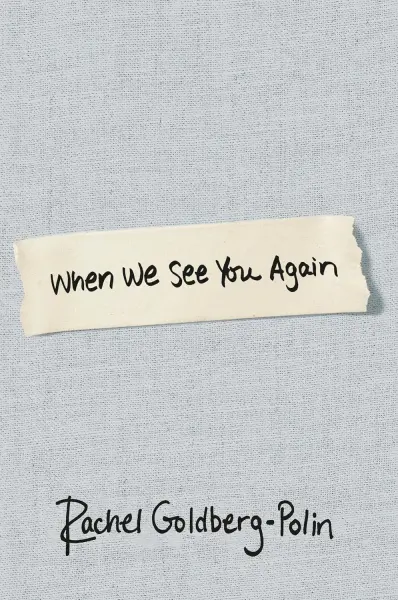
Rachel’s memoir, “When We See You Again” (Random House), is out now. It chronicles not only the 328 days of anguish but also Hersh’s life – his childhood in Berkeley, California, and Richmond, Virginia; the family’s move to Israel in 2008; his insistence at age seven on keeping his name because “the Israelis will deal with it”; and his enduring optimism.
The title reflects the promise Rachel made to herself and to her son: that she would see him again, if not in this life, then in the next.
“Hope is mandatory,” she writes. “It’s a commandment.”
What Happens Next
- Book tour: Rachel Goldberg-Polin will promote “When We See You Again” in the U.S. and Israel.
- Advocacy: She continues to speak out for the remaining hostages and for the victims of Oct. 7.
- Legacy: Hersh’s mantra has been adopted by hostage families and advocates worldwide.
FAQ: Rachel Goldberg-Polin and Hersh Goldberg-Polin
Q: Who was Hersh Goldberg-Polin?
A: A 23-year-old Israeli-American who was abducted from the Nova music festival on Oct. 7, 2023, and held hostage by Hamas for nearly 11 months. He was executed in August 2024.
Q: How did he lose his arm?
A: A grenade thrown by Hamas fighters exploded in the bomb shelter where he was hiding, blowing off his left arm.
Q: What did his mother do on his last day?
A: She climbed onto a platform overlooking Gaza and screamed his name through a megaphone, hoping he would hear her. She learned hours later that he had been killed.
Q: What is the title of her book?
A: “When We See You Again,” published by Random House.
Q: What is Hersh’s mantra?
A: “He who has a ‘why’ can bear any ‘how,’” adapted from Viktor Frankl.
Q: Where can I buy the book?
A: Available at major booksellers and online.